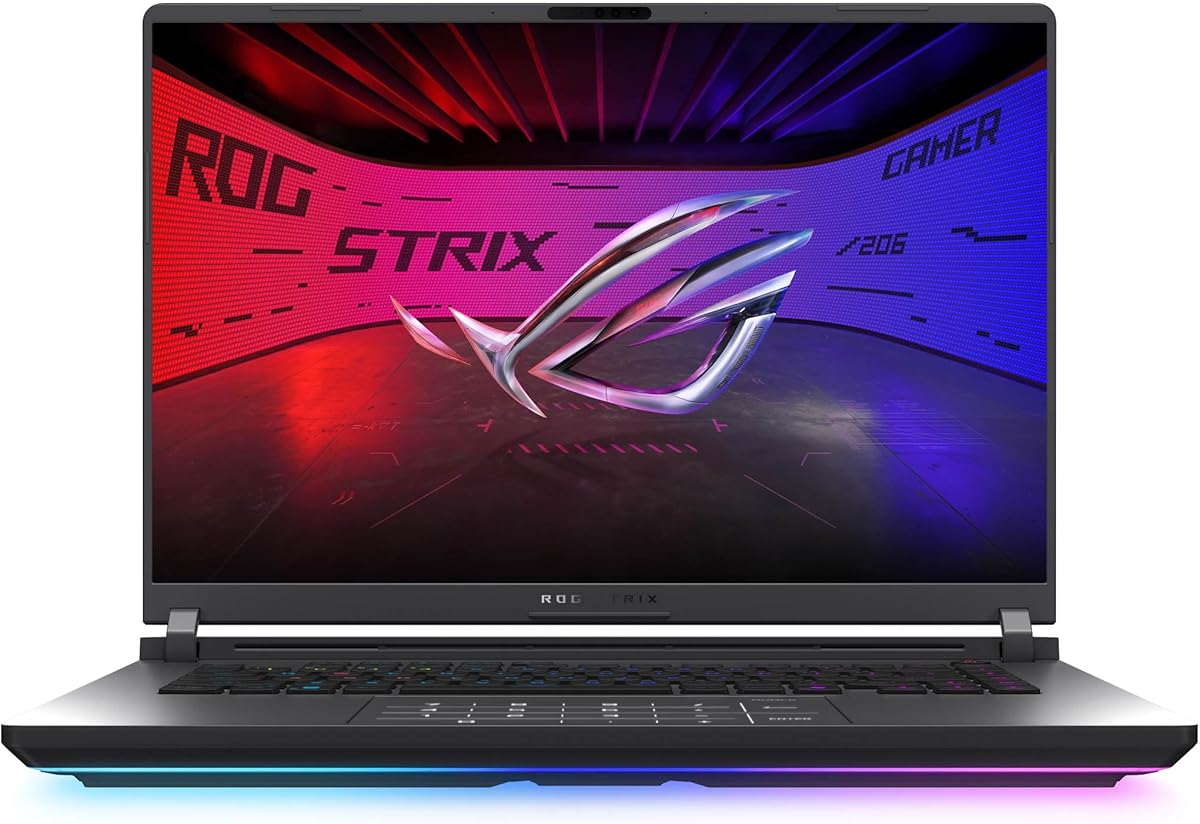
ASUS ROG Strix G16 Ultra
4.3Editor score
RTX 5070 Ti GPU
240Hz 2.5K display
32GB DDR5 RAM
Finding the right laptop for flight simulators requires balancing powerful graphics with precise processing to render detailed skies and realistic physics without lag or stuttering issues.
We evaluated top models based on GPU strength, CPU cores, memory capacity, and display quality to ensure smooth visuals and responsive controls during complex aviation simulations.
Each pick highlights key strengths and ideal users, helping you choose the right setup. Prices and availability change frequently, so check current offers before purchasing your gear.
4.3Editor score

4.4Editor score

4.2Editor score
As an Amazon Associate we earn from qualifying purchases.
Compare key specifications across our top ten selections, including processors, graphics cards, memory, storage, and display technologies to find the right fit for your simulation needs.
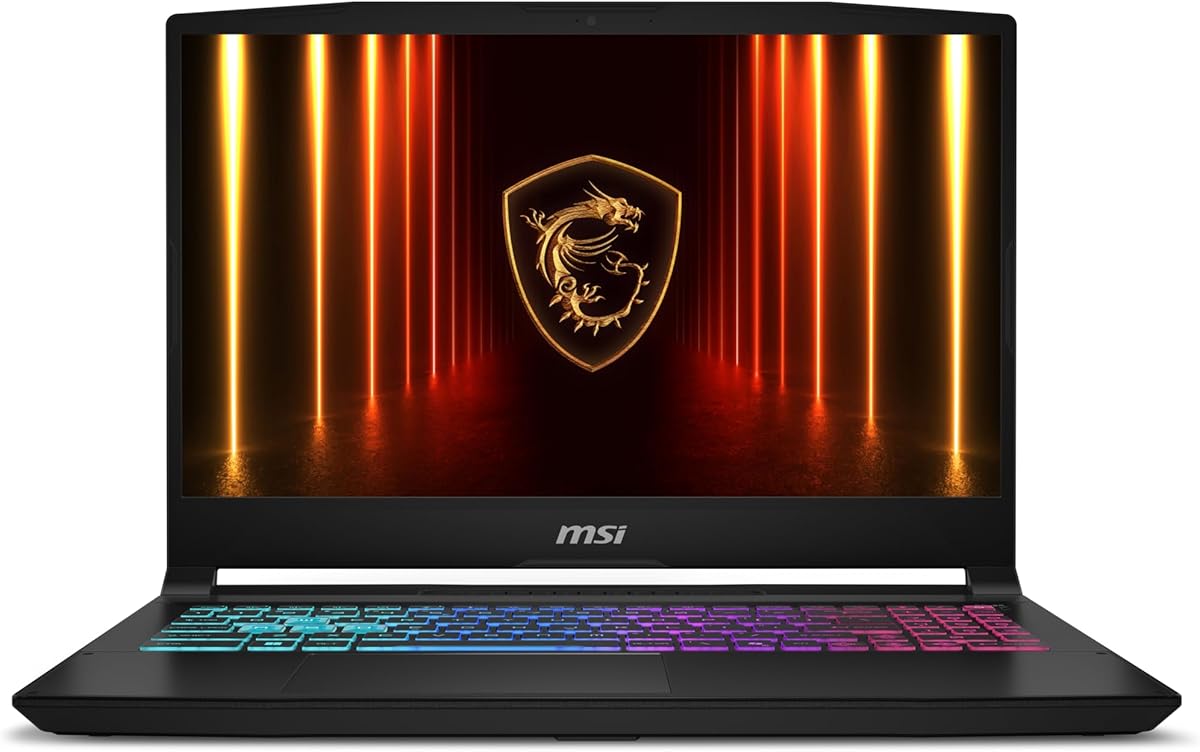




The ASUS ROG Strix G16 stands out as a reliable choice for aviation simulations, delivering strong performance through its RTX 5060 graphics and Intel Core i7 processor to handle complex rendering tasks smoothly.
We may earn a commission when you buy through this link, at no additional cost to you.
Its 165Hz display ensures fluid motion during high-speed maneuvers, while the 16GB DDR5 RAM allows seamless multitasking between navigation software and communication tools without noticeable slowdowns or stuttering effects.
While the 1TB SSD offers ample space for most libraries, heavy users might need external storage eventually, and battery life remains average under load, though these trade-offs are acceptable for a powerful portable rig.
Pilot enthusiasts seeking a balanced mix of power and portability will find this laptop ideal for running Microsoft Flight Simulator and X-Plane with detailed visuals and responsive controls.
The RTX 5060 GPU supports DLSS 4 and ray tracing, enhancing cloud and lighting realism in simulation environments without sacrificing frame rates during critical flight phases.
ROG Intelligent Cooling uses vapor chambers and tri-fan technology to keep temperatures stable during extended flights, preventing throttling and maintaining consistent performance over time.
We may earn a commission when you buy through this link, at no additional cost to you.
This premium model targets serious simmers who demand maximum fidelity, offering an RTX 5070 Ti and Core Ultra 9 processor that push visual boundaries with enhanced texture rendering and smoother physics calculations.
We may earn a commission when you buy through this link, at no additional cost to you.
The 32GB DDR5 RAM enables heavy multitasking with multiple virtual instruments open simultaneously, while the 240Hz Nebula display delivers exceptional clarity and responsiveness for tracking fast-moving terrain and weather systems.
Cost and portability are the main trade-offs, as this machine commands a higher investment and weighs more than standard options, yet it remains a top-tier choice for fixed cockpit setups.
Professional-level pilots or enthusiasts building a dedicated home cockpit will appreciate the raw power and premium display quality that elevate the realism of every simulated takeoff and landing.
The 2.5K resolution combined with 240Hz refresh rates provides sharp, motion-blur-free visuals that make navigation instruments and distant landmarks appear exceptionally clear and responsive.
With the Core Ultra 9 architecture and 32GB RAM, this system is well-equipped to handle upcoming simulation updates and complex addons without needing immediate hardware upgrades.
We may earn a commission when you buy through this link, at no additional cost to you.
Ideal for entry-level simmers or those on a tight budget, this laptop offers 32GB of DDR5 RAM and a spacious 17.3-inch display, providing comfortable navigation and multi-monitor-like workspace for flight planning tools.
We may earn a commission when you buy through this link, at no additional cost to you.
The AMD Ryzen 5 processor handles basic simulation tasks well, though integrated graphics may limit high-fidelity visuals compared to dedicated GPUs, making it best suited for simpler flight scenarios or training modes.
Cooling and build quality are decent but not exceptional, so users should monitor temperatures during long sessions, yet the price-to-value ratio makes it a compelling starting point for new aviation hobbyists.
Students or casual pilots looking for a cost-effective device to run standard simulation software without breaking the bank will find this setup sufficient for learning basics and enjoying relaxed flying experiences.
The 17.3-inch FHD screen offers ample real estate to view maps and instruments side-by-side, reducing eye strain during long navigation planning or training sessions.
With accessible SO-DIMM slots and SSD bays, users can easily upgrade memory or storage later, extending the device lifespan as simulation software requirements grow over time.
We may earn a commission when you buy through this link, at no additional cost to you.
Equipped with an Intel Core i9 and RTX 5070, this laptop delivers near-premium performance at a mid-range cost, ensuring high frame rates and realistic lighting effects during complex atmospheric simulations and terrain rendering.
We may earn a commission when you buy through this link, at no additional cost to you.
The 32GB DDR5 RAM supports heavy mod usage and multitasking, while the QHD+ display provides sharp visuals that help pilots spot details in clouds and cityscapes more accurately than standard FHD panels.
Noise levels can rise during intensive tasks due to aggressive fan curves, and battery life is limited when gaming, but plugged-in performance remains robust enough for serious home cockpit enthusiasts.
Those seeking a balance of power and value without paying for ultra-premium features will appreciate the raw compute capacity and detailed display this model offers for flight simulation work.
The 24-core hybrid architecture accelerates physics calculations and world generation, reducing loading times and ensuring smooth transitions between flight phases without noticeable lag.
The QHD+ resolution offers a middle ground between sharpness and performance, delivering crisp terrain textures and instrument panels that enhance immersion during critical navigation tasks.
We may earn a commission when you buy through this link, at no additional cost to you.
This package combines specialized software with a dedicated physical controller, making it ideal for remote-controlled aircraft enthusiasts who want realistic physics and immediate feedback without complex computer setup.
We may earn a commission when you buy through this link, at no additional cost to you.
The Interlink DX controller integrates seamlessly, offering precise control inputs, while the software supports VR headsets for immersive experiences and provides online multiplayer options to connect with other pilots.
It focuses on RC scale aircraft rather than full-scale flight dynamics, so full-scale pilots might find it less suitable, but hobbyists will appreciate the ease of use and broad aircraft selection.
Those transitioning from real RC flying to digital simulations will find this setup bridges the gap effectively, offering authentic control feel and diverse flying scenarios in a convenient package.
The included Interlink DX controller allows direct physical input without needing additional adapters, simplifying setup and providing a tactile experience closer to actual remote control flying.
Support for VR headsets brings an immersive cockpit view to RC simulations, enhancing spatial awareness and making training sessions feel more authentic and engaging for pilots.
We may earn a commission when you buy through this link, at no additional cost to you.
Designed for serious simulation enthusiasts, this yoke system offers realistic tactile feedback and professional-grade durability, helping pilots build muscle memory through precise control inputs and authentic steering responses.
We may earn a commission when you buy through this link, at no additional cost to you.
The stainless steel shaft ensures smooth movement without wobble, while 54 programmable buttons and a throttle quadrant provide extensive control over aircraft functions, making it versatile for different simulation types.
Installation requires a sturdy desk and clamp setup, which limits portability, and initial software configuration can be time-consuming, yet the payoff in immersion justifies the effort for dedicated users.
Pilots looking to replicate a true cockpit environment will value the realism and extensive customization options, making this system a cornerstone for high-fidelity flight simulation home setups.
The solid construction and precise mechanics deliver realistic resistance and movement that mimic real aircraft controls, helping trainees develop authentic handling skills for actual flying.
With over fifty programmable buttons and switches, users can map complex aircraft systems directly to their hands, reducing reliance on keyboard shortcuts and streamlining cockpit management.
We may earn a commission when you buy through this link, at no additional cost to you.
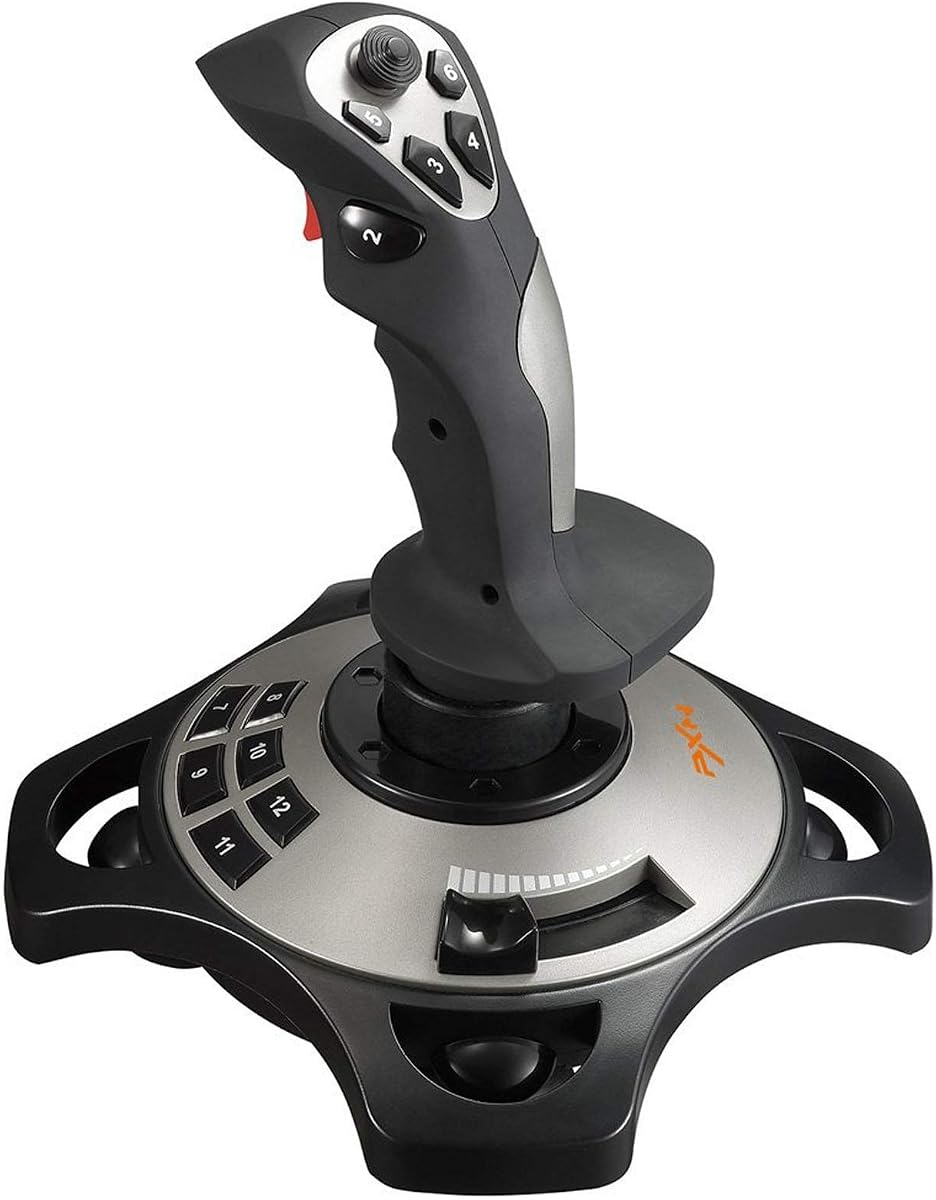
This joystick provides an accessible entry into flight simulation hardware, combining a stick and throttle in one ergonomic unit that offers immediate plug-and-play compatibility without complex driver requirements.
We may earn a commission when you buy through this link, at no additional cost to you.
Adjustable resistance allows users to customize stick tension to match personal preference, while the weighted base keeps the device firmly planted on the desk during aggressive maneuvering inputs.
Construction is mostly plastic and lacks force feedback, which reduces realism slightly, but its reliability and ease of use make it a top choice for casual simmers starting their journey.
New pilots or those on a budget will appreciate the straightforward setup and all-in-one design that enables comfortable flying sessions without requiring extra peripherals or technical know-how.
Immediate USB recognition means users can start flying within minutes of unboxing, removing technical barriers and allowing focus on simulation enjoyment rather than configuration.
Integrated throttle management means separate throttle boxes aren't needed, saving desk space and simplifying setup for users who want functional controls without cluttering their cockpit.
We may earn a commission when you buy through this link, at no additional cost to you.
An ultra-affordable option for those testing flight simulation on a strict budget, this joystick offers basic axis control and programmable buttons that enable participation in standard aviation games without major expense.
We may earn a commission when you buy through this link, at no additional cost to you.
It includes vibration feedback for added immersion and multiple programmable inputs, but build quality and sensor precision can be inconsistent, requiring occasional driver adjustments for reliable performance.
While not as refined as premium options, its low cost makes it an accessible way to experience physical controls, suitable for casual users who prioritize price over high-end durability.
Budget-conscious pilots who want to try hardware-assisted simulation before committing to expensive gear will find this controller a functional stepping stone into the world of flight gaming.
Vibration feedback adds tactile cues to in-game events, providing a sense of impact and turbulence that enhances immersion despite the device's entry-level positioning.
Multiple programmable buttons allow users to map common flight actions directly to the joystick, reducing reliance on keyboard shortcuts and improving control efficiency.
We may earn a commission when you buy through this link, at no additional cost to you.
These pedals add a critical layer of control for rudder inputs, essential for coordinated turns and ground handling, featuring smooth sliding rails and ergonomic design for comfortable extended use.
We may earn a commission when you buy through this link, at no additional cost to you.
The self-centering rudder axis ensures precise re-centering after turns, while the S.M.A.R.T. rail system provides friction-free motion that enhances the realism of directional control during flight maneuvers.
Footprint can be a consideration in smaller spaces, and users with larger feet may find adjustments necessary, but the precision and comfort make these a top choice for serious simmers.
Pilot trainees and enthusiasts aiming for accurate ground and flight control will appreciate the stability and realism these pedals bring to their cockpit setup.
Four aluminum rails ensure smooth, consistent movement without binding, allowing for delicate rudder inputs that are crucial during taxiing and crosswind landings.
Compatibility with PC, Xbox, and PS5 means these pedals can serve multiple platforms, offering flexibility for users who switch between different simulation or flight games.
We may earn a commission when you buy through this link, at no additional cost to you.
This classic title remains a beloved choice for purists who value realistic aviation physics and historical aircraft over cutting-edge graphics, offering a stable and reliable foundation for fundamental flight training.
We may earn a commission when you buy through this link, at no additional cost to you.
Worldwide scenery and dynamic weather systems provide authentic environmental challenges, while multiplayer support allows users to join others over LAN or internet for shared flight experiences and events.
Visual fidelity is dated compared to modern standards, and it lacks some contemporary features like advanced cloud rendering, yet its performance on older hardware and community support keep it relevant.
Fans of vintage aviation or those seeking a simpler, less resource-intensive simulation experience will find enduring value in this software's focus on core flying fundamentals and realism.
Realistic aerodynamics and engine management models train pilots in foundational skills that remain applicable to modern aviation, making it a valuable tool for learning core flight principles.
LAN and internet multiplayer options foster a social aspect where pilots can fly together, participate in events, and share experiences within a dedicated community.
We may earn a commission when you buy through this link, at no additional cost to you.
Selecting the right hardware requires balancing performance, portability, and budget to ensure smooth visuals and responsive controls for your specific simulation needs.
Look for dedicated GPUs like NVIDIA RTX series to handle high-resolution textures, lighting effects, and complex physics calculations essential for realistic skies and terrain rendering.
Prioritize models with DLSS support and sufficient VRAM to maintain high frame rates without stuttering during intensive flight phases.
Choose CPUs with multiple cores and high clock speeds to ensure smooth world generation, AI traffic management, and rapid loading times for large map datasets.
Intel Core i7 or higher or AMD Ryzen 7 and above provide the necessary compute power for seamless multitasking and simulation physics processing.
16GB RAM is a baseline for modern simulations, but 32GB ensures smooth operation when running multiple virtual instruments, voice communication, and navigation software simultaneously.
DDR5 memory offers faster data transfer rates, reducing latency and improving overall system responsiveness during critical simulation moments.
Refresh rates above 60Hz and high resolution like QHD or 2.5K provide sharper visuals and smoother motion, making it easier to spot landmarks and navigate complex airspace.
Anti-glare coatings and accurate color reproduction enhance readability of instruments and maps during extended simulation sessions.
SSDs with PCIe Gen 4 technology drastically reduce load times for large map regions and complex addons compared to traditional hard drives.
Aim for at least 1TB capacity to store the base simulation, common flight plans, and several popular aircraft modifications without needing constant external storage.
Effective cooling systems with vapor chambers or advanced fan designs prevent thermal throttling during long flight sessions, maintaining consistent performance without overheating.
Models with liquid metal thermal compounds or multiple heat pipes ensure the CPU and GPU operate within safe temperatures even under heavy graphical loads.
Decide if you need a laptop for travel or a fixed desktop replacement, as larger screens and better cooling usually mean more weight and bulk.
Prioritize battery life if using on the go, but note that most high-performance models perform best when plugged in during active simulation use.
Keep your laptop in a cool, well-ventilated area to prevent dust buildup in fans, which can lead to overheating and reduced performance during long flight sessions.
Regularly update drivers for your GPU and peripherals to ensure compatibility with the latest simulation software versions and improve overall system stability.
Avoid placing heavy objects on the laptop lid and use a protective case during transport to prevent screen damage and internal component stress over time.
NVIDIA RTX 5060 or higher are recommended for realistic textures and lighting. Higher-end models like RTX 5070 Ti offer better performance for complex physics and high-resolution environments.
16GB is a minimum baseline for smooth operation. 32GB is preferred for multitasking with navigation tools and running multiple virtual instruments simultaneously.
A dedicated joystick or yoke greatly enhances immersion. Built-in keyboard controls work for basics, but physical controllers offer better precision for critical maneuvers.
Older laptops can run simplified or older simulation titles. Modern software demands high specs. Check minimum system requirements before purchasing software.
Use cooling pads, ensure vents are clean, and avoid blocking airflow. Software throttling should be enabled if performance drops during heavy graphical tasks.
Yes, entry-level laptops with integrated graphics exist. Look for models with good CPUs and memory to ensure basic simulation runs smoothly without high costs.
Our top picks include the ASUS ROG Strix G16 for overall balance, the premium Ultra model for high fidelity, and the NIMO laptop for budget-conscious users.
Prioritize GPU power, cooling, and memory based on your specific needs whether you seek casual flying or professional-grade training environments.
Always check current prices and availability before buying, as deals change frequently and ensure your choice matches your budget and performance goals.