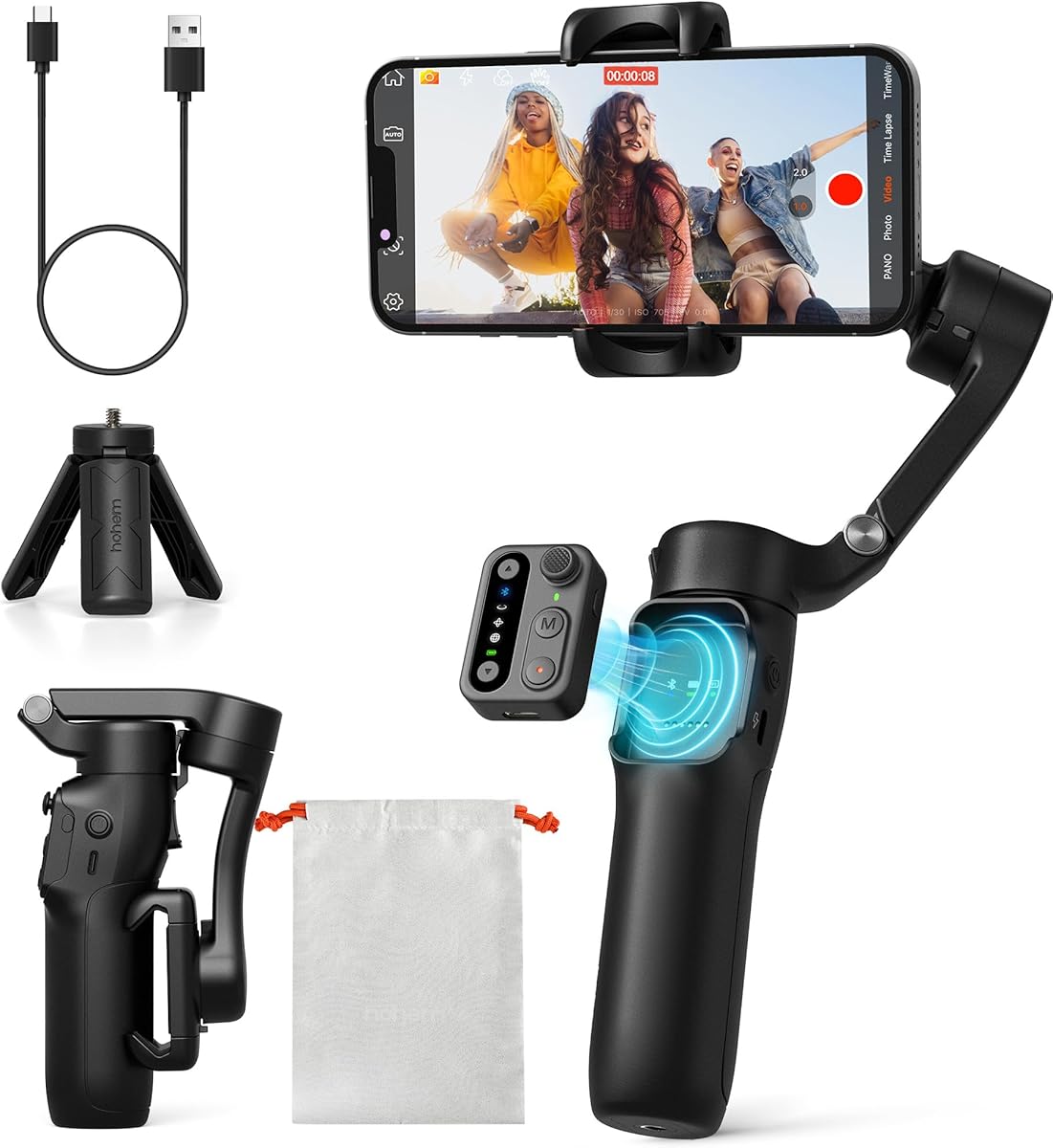
hohem iSteady X3 SE
4.2Editor score
Detachable remote control
Long battery life
Foldable compact form
Capturing smooth footage while climbing peaks requires specialized stabilization tools. A quality gimbal ensures your videos remain steady despite rough terrain and sudden movements during ascent.
We analyzed ten leading models focusing on durability, weight, and battery performance. Our comparison highlights devices capable of handling cold temperatures and erratic motion typical of mountain expeditions.
Each pick showcases unique strengths for outdoor filming. Prices and availability fluctuate, so verify current listings before purchasing to ensure you get the best deal for your adventure needs.
4.2Editor score

4.3Editor score

4.5Editor score
As an Amazon Associate we earn from qualifying purchases.
This side-by-side comparison evaluates all ten gimbals across critical specs like weight, payload, runtime, and connectivity to help you choose the right tool for your mountain adventures.


The DJI Osmo Mobile 8 offers robust stabilization ideal for capturing dynamic mountain footage. Its strong 4.4 rating highlights reliable performance during active shooting sessions.
We may earn a commission when you buy through this link, at no additional cost to you.
Key strengths include a 10-hour battery that lasts through long climbs. The integrated lighting ensures visibility in low-altitude lighting conditions often found in valleys.
Trade-offs include app compatibility issues requiring manual updates. However, the physical build quality makes up for these minor software hurdles in rugged environments.
Mobile filmmakers seeking a lightweight, feature-rich tool will find this model suitable. It balances advanced tracking with portability for hikers and climbers.
Active tracking keeps your subject focused even while moving across uneven terrain. The audio integration adds value for narrating scenic views without extra gear.
The built-in extension rod allows for creative angles without carrying extra sticks. Phone charging ensures your device stays powered throughout multi-day treks.
We may earn a commission when you buy through this link, at no additional cost to you.
Weighing only 300 grams, the Osmo Mobile 7 is perfect for long treks where every ounce matters. Its consistent 4.4 rating confirms stability during hiking adventures.
We may earn a commission when you buy through this link, at no additional cost to you.
Dual-lens tracking improves subject capture across diverse mountain scenarios. The lightweight build reduces fatigue when holding the gimbal up for extended periods.
While app availability is limited, the hardware remains reliable. Users appreciate the comfortable grip that withstands cold weather handling without losing dexterity.
Backpackers prioritizing weight and battery life will value this option. It delivers professional results without the bulk of heavier stabilization tools.
The dual-lens system enables smarter tracking of fast-moving subjects. This is vital for capturing wildlife or climbing partners in action.
The foldable design fits easily into any hiking pack. Integrated tripods add versatility for setting up shots at scenic viewpoints.
We may earn a commission when you buy through this link, at no additional cost to you.
Designed for rugged action cameras, this gimbal handles rain and snow with its IPX4 rating. The 4.1 rating reflects its solid performance in challenging outdoor environments.
We may earn a commission when you buy through this link, at no additional cost to you.
Bluetooth control conserves battery, extending runtime to 14 hours. This ensures you can film entire ascent days without worrying about power depletion.
While compatibility notes exist for some camera models, the motor power provides smooth footage. The ability to charge your action camera adds significant convenience.
Adventure sports enthusiasts with GoPro or DJI cameras will find this model practical. Its weatherproofing makes it reliable for unpredictable mountain weather.
The splashproof design allows shooting in rain or snow without fear. This is essential for mountaineering where conditions change rapidly.
Battery life supports extended use. Using the gimbal as a power bank keeps your camera charged for continuous recording.
We may earn a commission when you buy through this link, at no additional cost to you.
This version emphasizes rapid setup and creative modes for climbers. The 4.2 rating suggests improved consistency in handling over previous iterations.
We may earn a commission when you buy through this link, at no additional cost to you.
The 3-second quick release is vital when changing angles during a climb. Inception mode adds cinematic flair to dynamic movement shots.
Some users note limitations with specific phone models. However, the hardware durability and long battery life justify the trade-off for serious adventurers.
Climbers looking for creative transitions and weather protection will benefit. It balances ease of use with advanced stabilization algorithms.
The 600-degree rotation allows for stunning transition shots. This feature stands out for creating engaging vlogs from mountain summits.
IPX4 protection ensures the gimbal survives accidental splashes. It remains a reliable partner during wet expeditions.
We may earn a commission when you buy through this link, at no additional cost to you.
This budget-friendly gimbal offers solid stabilization for casual hikers. Its 4.2 rating indicates reliable performance relative to its price and design.
We may earn a commission when you buy through this link, at no additional cost to you.
The detachable remote allows capturing wide-angle shots without being in frame. The foldable design ensures it fits easily into a backpack.
While build quality is lower than premium options, the value is high. Users appreciate the ease of use and decent battery life for day hikes.
Novice vloggers or travelers seeking an affordable solution should consider this. It provides good results without a steep learning curve.
The detachable magnetic remote enhances selfie capabilities. This is useful for capturing group shots or solo hiking footage.
Weighing only 0.79 pounds, it is easy to carry. The foldable structure minimizes space usage in limited gear setups.
We may earn a commission when you buy through this link, at no additional cost to you.
The Mobile 7P stands out with a high rating of 4.5. It focuses on seamless tracking and creative freedom for mobile content creators.
We may earn a commission when you buy through this link, at no additional cost to you.
The multifunctional module packs tracking and lighting into a compact unit. Dual-lens technology ensures sharper focus during dynamic outdoor movements.
App requirements may complicate initial setup but improve control. The magnetic mounting system speeds up deployment when opportunities arise quickly.
Creators needing reliable subject tracking on the go will find this ideal. It balances advanced features with manageable weight for travel.
The lighting module improves visibility in dim mountain settings. This ensures your subject remains clear even during dawn or dusk shoots.
Dual lenses offer smarter tracking capabilities. This allows for more complex shots without manual intervention.
We may earn a commission when you buy through this link, at no additional cost to you.
Designed for mirrorless cameras, the RS 3 Mini provides professional stability on the move. Its 4.3 rating confirms consistent results during demanding outdoor use.
We may earn a commission when you buy through this link, at no additional cost to you.
The 2kg payload handles various lenses. The compact form factor ensures it does not weigh down hikers carrying heavy camera gear.
Setup can take longer than phone gimbals, but the image quality justifies it. Bluetooth controls simplify photo capture without stopping the climb.
Serious videographers needing DSLR or mirrorless support should choose this. It balances power with travel-friendly dimensions for mountain expeditions.
Native vertical shooting supports social media formats directly. This saves time editing later for content creators.
The 2kg load capacity accommodates many lens combinations. This flexibility is rare in ultra-compact models.
We may earn a commission when you buy through this link, at no additional cost to you.
The Pocket 3 delivers cinema-level quality in a pocketable device. A 4.5 rating highlights exceptional stability and image fidelity for travelers.
We may earn a commission when you buy through this link, at no additional cost to you.
The 1-inch sensor handles low light well. Rotating screens make framing shots easy without needing to twist your body.
While pricey, the integration saves carrying extra cameras. The mechanical stabilization ensures smooth footage even on bumpy trails.
Vloggers wanting premium quality without bulk will love this. It simplifies the rig by combining camera and gimbal into one unit.
The rotating screen simplifies composition. This feature allows effortless switching between horizontal and vertical shooting modes.
Built-in stabilization prevents jitter during movement. This is critical for capturing steady hiking footage.
We may earn a commission when you buy through this link, at no additional cost to you.
With a near-perfect 4.9 rating, this gimbal excels in tracking technology. The AI system allows hands-free operation during complex treks.
We may earn a commission when you buy through this link, at no additional cost to you.
Support for multiple devices increases versatility. The detachable handle provides remote control for capturing wide scenic shots.
The higher cost reflects the advanced tracking capabilities. It remains a top choice for those prioritizing intelligent features.
Tech-savvy users needing advanced AI features will find this valuable. It supports a broad range of cameras for different needs.
Built-in AI follows subjects without external sensors. This ensures reliable tracking during solo outdoor adventures.
Supports phones, action, and mirrorless cameras. This flexibility makes it a future-proof investment.
We may earn a commission when you buy through this link, at no additional cost to you.
The MT3 Pro boasts an ultra-long 20-hour battery life. Its 4.5 rating confirms stability even under heavy loads during mountain shoots.
We may earn a commission when you buy through this link, at no additional cost to you.
The detachable touchscreen remote simplifies operation. With a 2.5kg payload, it handles most mirrorless setups effortlessly.
While heavier than phone gimbals, its power is unmatched. Vertical switching ensures quick transitions for modern social content.
Pros needing maximum endurance and payload will appreciate this model. It stands as a robust solution for professional filming.
The 20-hour runtime supports multi-day shoots. Fast charging options ensure minimal downtime between recording sessions.
The detachable remote allows flexible framing. This is essential for capturing group shots in large outdoor spaces.
We may earn a commission when you buy through this link, at no additional cost to you.
Selecting the right gimbal for mountaineering involves balancing weight, battery life, and environmental resistance to ensure reliable performance during climbs.
Payload capacity determines the heaviest device your gimbal can stabilize. For mountainers, matching this to your camera gear prevents motor strain and shaky footage.
Ensure the gimbal supports your heaviest lens setup.
Long battery life is critical for full-day ascents. Look for models offering 10 hours or more to avoid charging mid-climb.
Prioritize gimbals with extended runtime features.
Weight affects your comfort during long hikes. Lighter models reduce fatigue, while heavier ones might offer better stability for larger cameras.
Choose based on your backpack's load capacity.
Mountain environments expose gear to moisture and cold. IPX4 ratings or splashproof designs ensure the gimbal survives unexpected weather.
Seek weather-resistant construction for reliability.
Complex controls can hinder quick shots in the field. Intuitive interfaces and quick-release mounts save time when capturing fleeting moments.
Opt for user-friendly designs and fast setup.
AI tracking helps keep subjects in focus during movement. This is valuable for solo vloggers or capturing wildlife during treks.
Consider gimbals with intelligent tracking modes.
Bluetooth and Wi-Fi connectivity allow remote control. Ensure your device connects smoothly to avoid lag during operation.
Verify compatibility with your smartphone or camera.
Budgets vary, but performance shouldn't be compromised. Invest in models that offer essential features like stabilization without unnecessary costs.
Compare specifications to find the best value.
Always balance your camera before each use. Improper balancing leads to motor drift and uneven footage, especially on rocky trails.
Protect the gimbal from extreme cold by storing it in an inner pocket. This helps preserve battery efficiency during long expeditions.
Clean the gimbal regularly to remove dust and debris. Wiping down the motors and arms maintains smooth operation over time.
While not strictly necessary, a gimbal significantly improves footage stability on rough terrain. It helps capture cinematic shots of your climb that handheld filming cannot achieve.
Most gimbals function in cold weather but batteries drain faster. Keeping the device close to your body helps maintain operational temperatures during long treks.
Yes, many gimbals like the Hohem iSteady Pro 4 are compatible with GoPros. Check payload limits to ensure your specific model is supported.
Standard phone gimbals handle around 250g to 500g. Camera-specific models like the RS 3 Mini support up to 2kg, allowing for heavier lenses.
If your gimbal is splashproof, wipe it dry immediately. For non-waterproof models, avoid rain to prevent damage to internal motors and electronics.
Battery life typically ranges from 10 to 20 hours depending on the model. This covers most daily hiking and filming needs without recharging.
The DJI Osmo Mobile 8 and RS 3 Mini offer top-tier performance for mobile and camera setups respectively. Both stand out for their balance of weight and functionality.
Prioritize battery life and weather resistance when selecting your gear. These factors ensure your gimbal remains reliable during unpredictable mountain conditions.
Check current prices before purchasing as models change frequently. Ensure the features match your specific climbing and filming requirements.