
3D Printer Platform PEO PET Bambu Lab Build Plate
4.5Editor score
Diamond plus carbon fiber
Flexible spring steel core
High temp resistance
This guide compares ten top build plates for 3D printers, evaluating adhesion, material compatibility, and durability for reliable printing results.
Selecting the right build plate for your 3D printer is essential for achieving consistent adhesion and high-quality prints. A good build plate ensures your models stay secure during the printing process and release easily without damage, making it a critical upgrade for any enthusiast.
We evaluated ten popular build plate options based on compatibility, surface texture, material resistance, and ease of use. Each product was assessed for its ability to handle various filaments like PLA, PETG, and ABS while maintaining flatness and durability under repeated heating cycles.
Every pick in this list highlights specific strengths tailored to different printer models and printing needs. Keep in mind that pricing and availability can fluctuate, so always verify current details before making your final purchase decision to ensure you get the best value available today.
4.5Editor score

4.4Editor score

4.4Editor score
This side by side comparison outlines the key specifications and unique features of each build plate to help you quickly identify the best fit for your specific printer model and printing requirements.





This BIQU CryoGrip Pro Glacier build plate is a top choice for users of Bambu Lab printers, offering a reliable and durable surface for a wide range of printing tasks. With a strong rating and positive feedback, it stands out for its ability to maintain adhesion while simplifying the print removal process.
We may earn a commission when you buy through this link, at no additional cost to you.
The plate features a specialized 7-layer cobalt oxide coating that provides excellent resistance to impact and corrosion, ensuring a long lifespan even with frequent use. Its high magnetism substrate secures prints firmly to prevent warping, while the hollow-out handle design allows for safe handling even when the bed is hot.
Although it offers exceptional performance, users should note that adhesion for PLA and PETG is slightly less than the Frostbite version, and P2S models require a specific setting adjustment to avoid detection errors. These minor trade-offs are acceptable given the overall versatility and durability of the plate.
Anyone looking to upgrade their Bambu Lab experience should consider this plate for its balance of ease of use and build quality. It delivers a smooth finish on prints and reduces the risk of first layer failures, making it a solid investment for consistent printing results.
The hollow-out handle ensures the plate heats slightly only, protecting your hands and enabling immediate removal without cooling delays.
The built-in AR code helps verify the buildplate type automatically, preventing QR code errors during high-temperature material prints.
We may earn a commission when you buy through this link, at no additional cost to you.
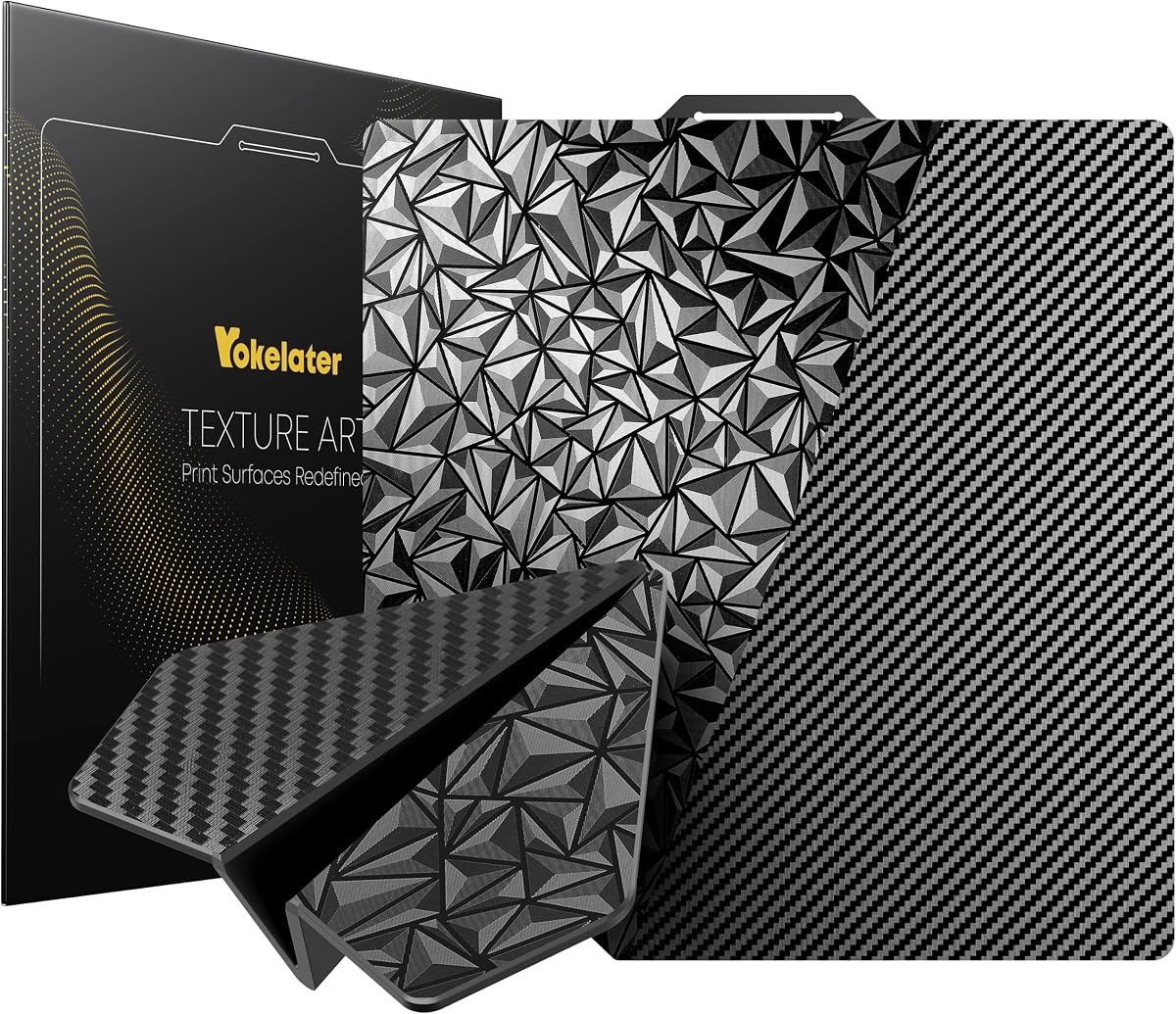
This budget-friendly option combines diamond PEO and carbon fiber PET patterns on a flexible spring steel plate, offering versatility for different aesthetic finishes. It is well-rated for its value and performance, making it an attractive choice for hobbyists looking to save without compromising quality.
We may earn a commission when you buy through this link, at no additional cost to you.
The combination of textures allows for smooth matte finishes with certain filaments while providing a low-key look for others, giving users creative flexibility. The high-strength spring steel resists deformation and makes removal easy once the print cools, reducing the need for tools and protecting your model.
While it performs well, maintaining optimal adhesion requires regular cleaning with a damp tissue to remove dust and oils, and some materials may need glue. These small maintenance steps ensure the plate lasts longer and performs consistently across a range of printing scenarios.
If you want a cost-effective upgrade that supports a variety of Bambu Lab printers, this plate delivers reliable results with minimal fuss. Its balance of price and functionality makes it a smart pick for everyday printing tasks.
Choose between diamond or carbon fiber textures to match your print style and filament color for a custom look.
The spring steel core maintains flatness over repeated bending, ensuring your prints release cleanly without damaging the plate.
We may earn a commission when you buy through this link, at no additional cost to you.
Creality's Ultra Removable Magnetic build surface offers a versatile solution for users seeking flexibility across different FDM printers. With a strong rating for ease of use, this product allows you to switch build surfaces quickly while maintaining secure adhesion during the print process.
We may earn a commission when you buy through this link, at no additional cost to you.
The magnetic design ensures that the build surface stays firmly attached to the hot bed, while its flexibility lets you bend it to pop off prints without tools. The package includes two pieces, so you can swap them out or keep spares for continuous printing operations.
Proper alignment of the magnetic layers is critical for best performance, and some users may find initial installation requires a bit of patience to get the magnetism right. Once set up correctly, however, the system works smoothly for a wide range of printer sizes and models.
For those who need a universal build plate that adapts to multiple machines, this magnetic solution is a premium choice for convenience. It simplifies model removal and protects your prints, making it ideal for workshops or users with more than one printer.
This surface works with all FDM printers and both heated and non-heated beds, providing unmatched compatibility for diverse setups.
You can cut the flexible surface to any dimension, allowing you to tailor the build area to your specific print requirements.
We may earn a commission when you buy through this link, at no additional cost to you.
This upgraded build plate brings a visually appealing sky-blue textured surface to Bambu Lab printers, enhancing both the printing experience and the final look of your models. Its reliable adhesion and compatibility across the Bambu series make it a practical choice for daily printing tasks.
We may earn a commission when you buy through this link, at no additional cost to you.
The stainless steel construction ensures durability, while the textured surface helps prints release easily once cooled. It supports a broad range of filaments from PLA to nylon, and the inclusion of identification codes helps prevent errors during automated printing setups.
Users of P2S and X2D models will need to adjust settings to recognize the plate, and the smooth side may require glue for certain filaments. These minor limitations do not outweigh the benefits of its aesthetic appeal and consistent performance across different materials.
If you value a stylish upgrade that delivers solid results without complexity, this plate offers a great balance. It simplifies setup and maintenance while giving your prints a professional finish right out of the printer.
The sky-blue hue creates a dynamic scene inside the printer, adding a touch of style to your setup without transferring to prints.
Simply wipe with water or alcohol before use, making regular cleaning quick and hassle-free to maintain adhesion.
We may earn a commission when you buy through this link, at no additional cost to you.
This double-sided PEI build plate provides strong adhesion and heat resistance for Bambu Lab printers, making it suitable for a variety of materials from PLA to PC. Users appreciate its ability to hold prints securely while allowing easy removal after cooling.
We may earn a commission when you buy through this link, at no additional cost to you.
One side features a textured black coating for excellent grip, while the smooth side produces polished bottoms on prints. The high-temperature resistance ensures it withstands repeated cycles without degrading, and the magnetic base keeps it firmly in place during printing.
The smooth side requires glue for some filaments, and leveling may need adjustment when switching sides. These steps are standard for PEI plates and are outweighed by the plate's durability and consistent performance across different print profiles.
If you need a reliable plate for challenging materials or want the option of smooth prints, this PEI build plate is a solid choice. It offers versatility and strength, making it a valuable addition to any Bambu Lab setup.
Use the textured side for grip and the smooth side for polished finishes, giving you flexibility without buying multiple plates.
Withstand temperatures up to 300C on the textured side, allowing you to print advanced materials without worrying about warping.
We may earn a commission when you buy through this link, at no additional cost to you.
This build plate stands out for its dual texture design, offering PET, PEO, and PEI surfaces on one plate to suit different printing needs. It is rated well for its ability to handle various materials while maintaining resistance to scratches and chemical wear over time.
We may earn a commission when you buy through this link, at no additional cost to you.
The flexible spring steel core makes removing prints easy by bending the plate, reducing the risk of damaging models or the surface. Each texture transfers a unique bottom pattern, allowing you to choose the finish that best matches your project requirements.
Users should adjust print settings based on the selected surface, as temperature recommendations vary for each material type. This requires a bit of attention but ensures optimal adhesion and print quality across all available textures.
If you want a versatile solution that supports a wide range of filaments without changing plates, this multi-texture option is ideal. It offers flexibility and durability, making it a practical choice for users who experiment with different materials regularly.
Switch between PET, PEO, and PEI surfaces to match your filament needs without swapping out entire build plates.
The scratch and chemical resistant surface ensures long-term use even with frequent cleaning and model removal.
We may earn a commission when you buy through this link, at no additional cost to you.
Designed specifically for Creality Ender printers, this PEI-coated spring steel build plate simplifies the printing process with its magnetic base and reliable adhesion. Its high rating reflects user satisfaction with how effortlessly prints stick during and release after cooling.
We may earn a commission when you buy through this link, at no additional cost to you.
The hardened steel sheet prevents deformation, while the powder-coated PEI surface offers excellent adhesion without the need for tape or glue. Simply bend the plate to release your model, saving time and protecting your prints from damage during removal.
While the fixed size works for many Ender models, users should confirm dimensions before purchase. This small consideration ensures compatibility and helps avoid installation issues, making the plate a hassle-free upgrade for your setup.
If you own an Ender 3 or similar model, this build plate is a straightforward way to improve print reliability and ease of use. It combines durability with convenience, making it a favorite among hobbyists looking for better performance.
The flexible steel design allows you to pop prints off easily without using scrapers or risking damage.
Forget tape and glue; the PEI surface provides enough grip to hold prints securely throughout the entire print job.
We may earn a commission when you buy through this link, at no additional cost to you.
This PEI spring steel plate is engineered for Creality K series printers, delivering high flatness and strong adhesion for consistent prints. Its robust design ensures stability during high-temperature cycles, and users praise its ease of installation and reliable model release.
We may earn a commission when you buy through this link, at no additional cost to you.
The positioning holes and handles make alignment quick and accurate, reducing setup time. The high abrasion-resistant texture protects against scratches, while the strong magnets keep the plate securely in place, minimizing the risk of print failure due to movement.
Though it may scratch with aggressive cleaning, gentle care keeps the surface in good condition. The limitations are minor compared to the overall stability and print quality improvements it provides for compatible machines.
For users of the Ender 3 V3 KE and related models, this build plate is an excellent upgrade for better print consistency. It simplifies leveling and supports a wide range of materials, making it a top choice for reliable everyday printing.
Positioning holes and handles ensure precise placement, making setup faster and more accurate without guesswork.
High-quality magnets maintain strong force even during multiple heat cycles, preventing shifts that could ruin prints.
We may earn a commission when you buy through this link, at no additional cost to you.
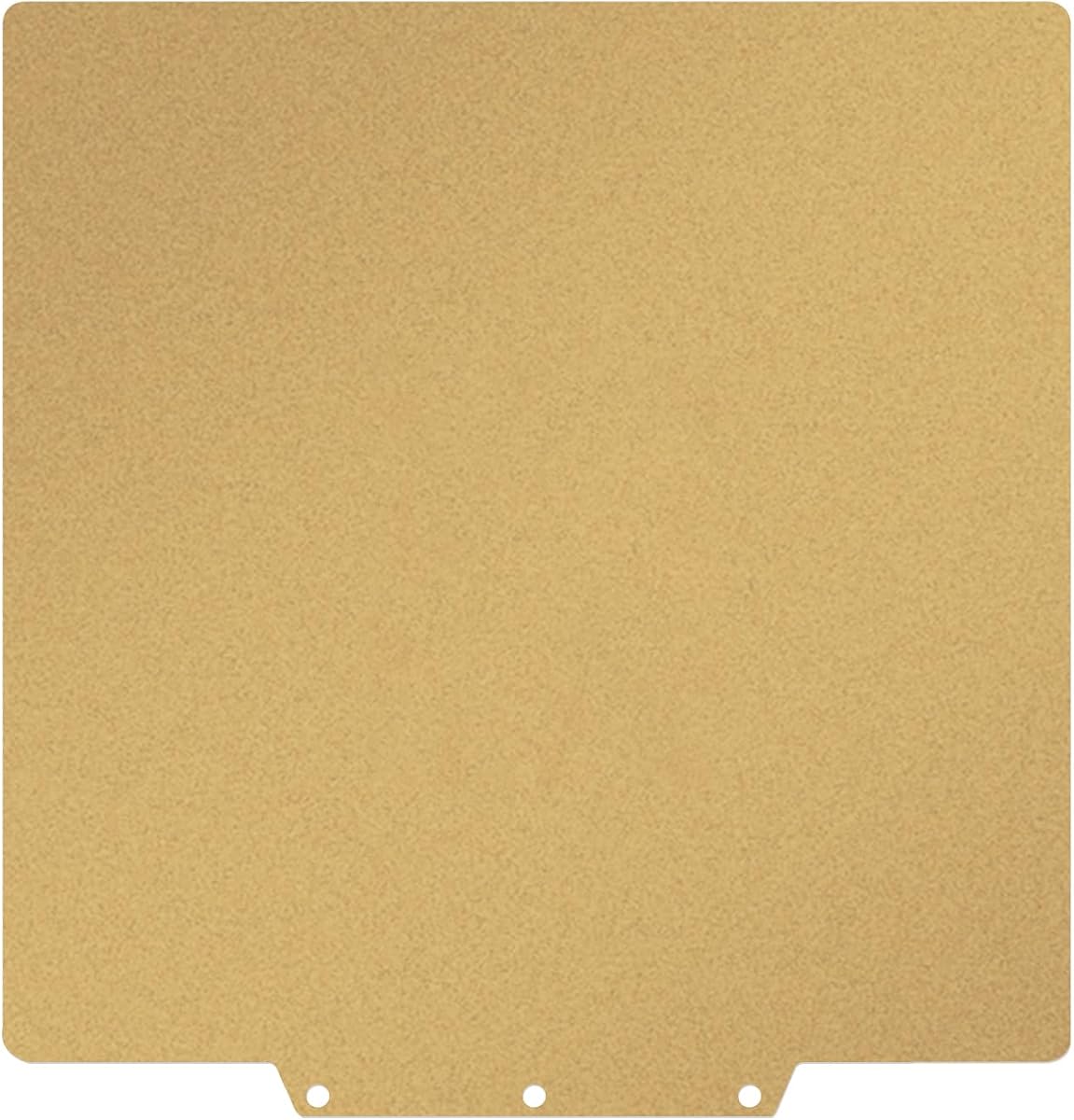
This gold PEI build plate offers double-sided frosted surfaces that enhance adhesion and durability, making it a versatile choice for many printers. Its strong rating highlights user satisfaction with its value, ease of use, and ability to handle various filament types.
We may earn a commission when you buy through this link, at no additional cost to you.
The flexible spring steel base simplifies removal, allowing prints to pop off cleanly after cooling without scraping. It works well with a broad range of materials including nylon and ABS, and the dual-sided design provides flexibility without needing multiple plates.
Users should confirm their printer's platform size before purchasing to ensure a perfect fit. This small step helps avoid compatibility issues and ensures the plate delivers the intended benefits for your specific machine.
If you are looking for a reliable, cost-effective upgrade, this PEI build plate is an excellent option. It balances performance with affordability, making it a smart pick for users seeking better print quality without overspending.
Double-sided design means you can use either surface for different prints, reducing the need to buy additional plates.
The PEI surface is easy to maintain and provides consistent results with minimal prep before each print.
We may earn a commission when you buy through this link, at no additional cost to you.
This BIQU build plate features a unique honeycomb handle design that insulates heat, allowing for immediate removal even when the bed is hot. It is highly rated for its adhesion performance and versatility across various printer models, making it a strong contender for upgrades.
We may earn a commission when you buy through this link, at no additional cost to you.
The 7-layer design supports lower temperature printing while maintaining firm adhesion for materials like PLA and PETG. Its self-recovering coating ensures consistent performance over time, and simple cleaning with water or alcohol keeps it in top shape.
While it performs exceptionally well, adhesion is slightly less than the Frostbite version for certain filaments. This minor difference is acceptable given the overall convenience and wide compatibility of the plate.
If you want a build plate that simplifies removal and supports multiple printer types, this Glacier model is an excellent choice. It combines smart design with reliable results, offering a practical solution for smoother printing workflows.
The honeycomb handle keeps heat away from your fingers, allowing you to remove prints immediately without burning yourself.
Lower bed temperature settings work effectively, reducing energy use and warping risks for common filaments like PLA.
We may earn a commission when you buy through this link, at no additional cost to you.
Choosing the right build plate involves considering compatibility, material, and features to match your printer and print requirements.
Ensure the build plate dimensions and magnetic pattern match your printer model exactly. Many plates are tailored for specific brands like Bambu Lab, Creality, or Ender, so verify model support before purchasing to avoid fit issues.
Always confirm your printer model and plate size before ordering to guarantee a proper fit and seamless integration.
PEI and frosted PEI coatings offer strong adhesion and durability, while textured surfaces help reduce warping and aid removal. Smooth surfaces may require glue for certain filaments but produce polished bottom finishes on prints.
Select a texture that suits your preferred filament type and desired print finish for best results.
Check the maximum temperature the plate can withstand, especially if printing engineering materials like ABS or PC. High-temperature resistance ensures the surface remains stable during repeated heating cycles without degrading.
Look for plates rated for at least 150°C to cover most common filaments safely.
Spring steel or flexible plates allow you to bend the surface to release prints easily after cooling. This reduces the need for scrapers and lowers the risk of damaging your models or the build plate.
Prioritize flexible designs if you frequently print large models that are hard to remove.
Magnetic build plates simplify swapping and ensure secure placement on the heated bed. Strong magnetism prevents movement during printing, which can lead to print failure if the bed shifts.
Choose plates with reinforced magnetic layers for consistent adhesion over time.
Build plates that can be cleaned with water or alcohol help maintain adhesion and prevent residue buildup. Avoid harsh chemicals that might damage coatings and reduce print quality.
Regular cleaning is essential for long-term performance, so opt for low-maintenance options.
Double-sided plates offer flexibility to switch between smooth and textured finishes without buying extra accessories. This versatility can save money and space in your printing setup.
Consider dual-sided plates if you print various filament types regularly.
Prices vary based on material quality, size, and features. While budget options exist, investing in a durable plate with good adhesion can improve print success rates and reduce long-term costs.
Compare features against your needs to find the best balance between cost and performance.
Start by cleaning the build plate with a damp cloth or alcohol before each print to remove dust, oils, and fingerprints that could reduce adhesion. Dry it thoroughly before starting to ensure the surface is ready for bonding.
Level your bed according to your printer's calibration guidelines after installing the plate. Proper leveling ensures even adhesion and reduces the risk of first-layer issues that lead to failed prints.
Allow prints to cool completely before removing them if possible, or gently bend the plate to release prints using the spring mechanism. Store the plate flat and clean to preserve its magnetic strength and surface quality for future use.
Not always. PEI plates generally offer strong adhesion for materials like PLA without glue, but smooth PEI surfaces or high-temperature filaments may benefit from a light application. Check the product guidelines for your specific plate and filament combination to decide.
It depends on usage and care. A well-maintained plate can last years, but signs like scratches, peeling coatings, or reduced adhesion indicate it may be time for replacement. Cleaning regularly helps extend its lifespan.
Yes, many magnetic build plates work on non-heated beds, though adhesion may be weaker without heat. Ensure your printer's leveling and settings are adjusted to compensate for the lack of heat if needed.
Textured PEI offers stronger adhesion and easier removal, while smooth PEI produces a polished finish on print bottoms. Textured is better for beginners and most materials, whereas smooth suits detailed prints needing flat bottoms.
Common causes include dirty surfaces, incorrect bed leveling, or low bed temperature. Clean the plate, re-level the bed, and ensure the temperature matches your filament's requirements before trying again.
Let the plate cool to near room temperature to naturally release most prints. If stuck, gently flex the spring steel plate to pop it off. Avoid using metal scrapers that can scratch or damage the surface.
Yes, changing plates often requires updating the material profile in your slicer, especially bed temperature settings. Consult the plate manufacturer's recommendations to optimize print quality and adhesion.
Some flexible magnetic surfaces can be trimmed to fit custom sizes, but PEI-coated spring steel should not be cut as it may damage the magnetic layers. Always check the product details before attempting modifications.
This roundup highlights ten versatile build plates offering strong adhesion, diverse textures, and compatibility with major 3D printer models. Whether you prioritize ease of removal or surface aesthetics, there is an option tailored to your needs.
Focus on factors like material compatibility and flexibility to ensure you pick a plate that supports your specific filament choices and printing workflow. These considerations will help you avoid common issues and achieve more consistent results.
Remember to check current prices and availability before making your final selection, as offerings may change. With the right build plate, you can simplify your printing process and enjoy reliable, high-quality prints.