
Humminbird XNT 9 SI 180 T
4.6Editor score
Affordable Imaging Option
Compatible with HELIX Series
Transom Mount Design
This guide compares the top 10 Down and Side Imaging Transducer models for 2026, evaluating imaging clarity, compatibility, and durability to help you choose
Choosing the right transducer can transform your fishing experience by revealing hidden structures and fish-holding areas with crystal clarity. Modern imaging technology offers unprecedented detail, allowing anglers to scan vast areas quickly and accurately without missing critical underwater features.
We analyzed ten leading models based on imaging resolution, compatibility with popular fish finders, build quality, and user feedback. Each product was evaluated for its ability to deliver consistent performance across various water conditions and depths, ensuring you get reliable data every time you cast.
Our list highlights top performers ranging from budget-friendly options to premium systems designed for serious anglers. Each pick includes detailed specs and real-world performance notes. Prices and availability change frequently, so check current listings before purchasing to ensure the best value for your setup.
4.6Editor score

5.0Editor score

4.6Editor score
The following table provides a side-by-side comparison of all ten top-rated transducers. Review key specifications, compatibility, and imaging capabilities to find the model that best fits your boat and fish finder system for optimal underwater visualization.



This transducer stands out as the top choice for anglers demanding the highest resolution in their sonar returns. With a perfect rating from users, it delivers crystal-clear views of underwater structures and fish with unmatched clarity. The Compact MEGA Side Imaging+ technology ensures you see every detail clearly.
We may earn a commission when you buy through this link, at no additional cost to you.
The dual frequency capabilities of 455 kHz and 1.1 MHz allow for versatile scanning in both shallow and deep waters. Its ability to scan up to 400 feet to each side provides extensive coverage without sacrificing image quality. The built-in temperature sensor adds valuable data for understanding water conditions.
While the price is higher than standard options, the durability and performance justify the investment for serious anglers. The secure screw-on connector ensures reliable connectivity during tough fishing conditions. Installation is straightforward with the 20-foot cable included in the package.
Ideal for owners of XPLORE, APEX, and SOLIX G3 models, this transducer elevates your fishing setup significantly. It helps locate fish-holding structures with precision, making every outing more productive. We recommend it for those prioritizing image quality and range above all else.
The high-frequency imaging reveals subtle bottom contours and individual fish that lower-end transducers might miss entirely.
With a 400-foot range on each side, you can cover vast areas quickly while maintaining detailed structural data.
We may earn a commission when you buy through this link, at no additional cost to you.
Lowrance has set a high standard with this Active Imaging 3-in-1 transducer that combines CHIRP SideScan, and DownScan into one powerful unit. Its refined detail helps anglers identify fish-holding structures like rockpiles and weedbeds at greater distances. The image quality is consistently praised by professionals.
We may earn a commission when you buy through this link, at no additional cost to you.
The exclusive FishReveal Smart Target view allows you to recognize fish from structure on DownScan images with remarkable ease. This feature saves time by reducing guesswork when analyzing sonar returns. The CHIRP technology ensures clean returns and better target separation across frequencies.
Although it is designed primarily for Lowrance and Simrad displays, compatibility extends to HDS LIVE and Elite FS models. The setup requires a 9-pin connector which may need adapters depending on your existing hardware. However the performance gap is significant for those invested in this ecosystem.
For anglers seeking a premium viewing experience with advanced target identification, this model is unmatched. It excels in showing detailed bottom contours and distinct fish arches. We recommend it for serious boaters who need reliable, high-fidelity imaging data every trip.
This feature overlays CHIRP sonar data onto DownScan images making it easier to distinguish fish from rocks or timber.
The high clarity helps you quickly spot drop-offs ditches and standing timber that hold fish in any season.
We may earn a commission when you buy through this link, at no additional cost to you.
This model offers a practical balance between performance and affordability for anglers using Humminbird XPLORE or APEX systems. It delivers MEGA Side Imaging and Down Imaging with enough clarity for most recreational fishing scenarios. The transom-mount design simplifies installation on various boat types.
We may earn a commission when you buy through this link, at no additional cost to you.
With sonar returns extending 125 feet to each side, you get a solid view of immediate surroundings without excessive cost. The DualBeam PLUS Sonar combines two beams for generous coverage and detailed bottom analysis. The built-in temperature sensor provides extra data without needing separate hardware.
While the coverage range is shorter than premium models, it remains effective for lakes and rivers. It is fully compatible with SOLIX and ONIX models though ONIX SI series has frequency limitations. Users appreciate the straightforward setup and reliable performance in everyday conditions.
This transducer is ideal for anglers upgrading from basic sonar to imaging without breaking the bank. It provides clear views of structures and fish with minimal investment. We suggest it for those seeking solid performance at a reasonable price point.
Combining two beams offers detailed imaging and wide coverage ensuring you do not miss fish in various depths.
The included 20-foot cable and transom mount hardware make installation quick without requiring specialized tools.
We may earn a commission when you buy through this link, at no additional cost to you.
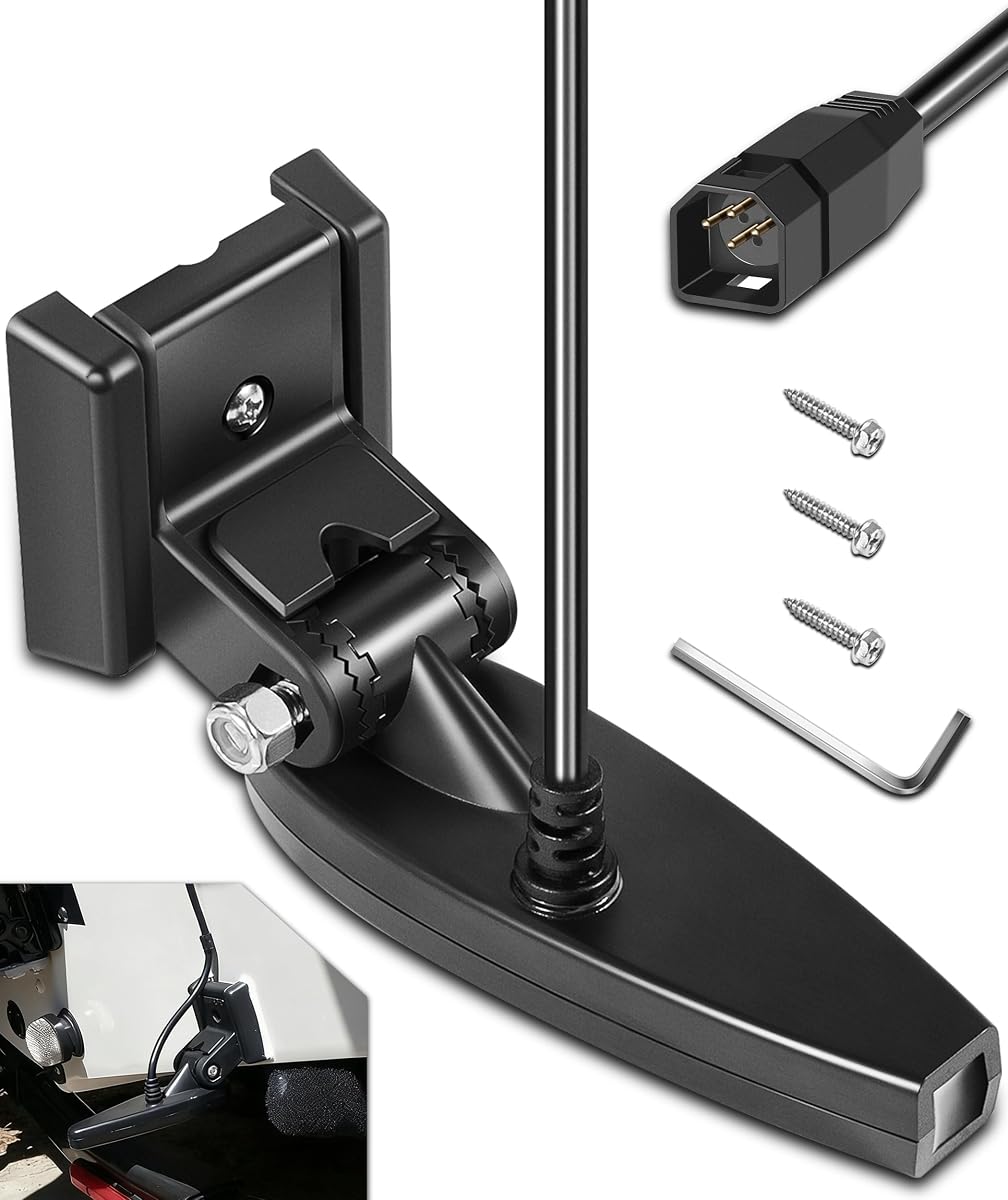
The XNT 9 SI 180 T is a solid entry-level option for HELIX series users seeking side imaging capabilities. It delivers reliable imaging that helps identify structure and fish effectively in freshwater environments. Its compact design fits well on smaller boats without cluttering the transom.
We may earn a commission when you buy through this link, at no additional cost to you.
Users report consistent performance with clear enough images to locate fish-holding areas efficiently. The down imaging feature provides a vertical view of the water column complementing the side scan. For the price point it offers significant value over standard 2D sonar systems.
While it lacks some advanced features found in higher-end models, it remains robust for everyday fishing. Compatibility covers a wide range of HELIX units including GPS and CHIRP versions. Installation is straightforward ensuring you can start fishing sooner.
This transducer is perfect for anglers transitioning to imaging technology without a large upfront investment. It provides essential visibility and structure definition for improving catch rates. We recommend it for budget-conscious buyers needing reliable imaging performance.
Designed to work seamlessly with HELIX 5 7 and 9 models ensuring users get the most out of their fish finders.
At an affordable price it brings side imaging to more anglers making underwater visualization more accessible.
We may earn a commission when you buy through this link, at no additional cost to you.
This complete fish finder kit includes the transducer and unit providing a seamless setup for new users. The MEGA Side and Down Imaging technology offers detailed views of fish and structure directly below and to the sides. It is designed for ease of use in any weather condition.
We may earn a commission when you buy through this link, at no additional cost to you.
The Dual Spectrum CHIRP Sonar delivers clear views of fish arches and structure using Wide and Narrow modes. Enhanced GPS navigation with Basemap coverage helps you track locations across 10,000 lakes. AutoChart Live mapping allows real-time contour creation while boating.
The user-friendly keypad system allows reliable operation even with wet gloves. While it is a larger investment, you avoid separate component purchases. The included transducer matches the unit perfectly ensuring optimal performance without compatibility issues.
For those setting up a new boat or upgrading their system entirely, this kit offers convenience and power. It combines advanced imaging with navigation tools in one package. We recommend it for anglers wanting a complete ready-to-go fishing system.
Create custom maps of depth contours and vegetation while you fish with eight hours of built-in recording time.
Basemap coverage of 10,000 lakes and coastlines helps you navigate unfamiliar waters safely and confidently.
We may earn a commission when you buy through this link, at no additional cost to you.
Designed specifically for HELIX 7 CHIRP SI GPS G4 models, this transducer delivers clean sonar returns with Dual Spectrum CHIRP support. It provides clear views of structure and fish using 455 kHz frequencies. The transom-mount design ensures stable performance in various water conditions.
We may earn a commission when you buy through this link, at no additional cost to you.
The CHIRP technology helps improve target separation and detail compared to traditional sonar. Users appreciate the built-in temperature sensor and 20-foot cable for easy setup. The package includes all necessary mounting hardware for a complete installation.
It is important to note that MEGA Side Imaging models are not supported by this unit. However, for those using standard CHIRP setups, it offers excellent performance. The imaging quality is sufficient for most freshwater and light saltwater applications.
This transducer is a great upgrade for HELIX 7 owners seeking better structure definition and clarity. It balances cost and performance well for mid-range users. We recommend it for anglers needing reliable imaging without premium costs.
The Dual Spectrum CHIRP range from 150 to 220 kHz ensures cleaner returns and better fish detection.
Included hardware and temperature sensor make setup straightforward allowing you to start fishing quickly.
We may earn a commission when you buy through this link, at no additional cost to you.
This version of the Active Imaging 3-in-1 transducer features a 6-foot cable ideal for smaller boats or shallow setups. It supports Side Scan and Down Scan with CHIRP capabilities for detailed imaging. Compatible with HDS LIVE and Elite Ti2 units for broad utility.
We may earn a commission when you buy through this link, at no additional cost to you.
The 9-pin connector requires an adapter cable for some units, which adds to the setup. However the imaging quality remains high with detailed structure and cover visualization. The transom mount ensures stability during operation.
Users appreciate the compact design but note the cable length limits placement options. It is best suited for boats where the transducer can be mounted close to the display. Performance is consistent with other Active Imaging models in the series.
For those needing a shorter cable or specific compatibility with HDS Carbon units, this model is a strong choice. It offers the same imaging benefits in a more compact package. We recommend it for anglers with limited transom space.
The shorter cable reduces clutter on smaller boats making installation cleaner and more straightforward.
Despite its size it delivers full Side Scan and Down Scan capabilities for comprehensive underwater views.
We may earn a commission when you buy through this link, at no additional cost to you.
While not a transducer itself, this bracket kit is essential for mounting Active Imaging transducers securely. It supports Side Scan and Down Scan imaging for HDS LIVE and Elite Ti models. The fit is designed to match Lowrance hardware specifications precisely.
We may earn a commission when you buy through this link, at no additional cost to you.
Users looking to replace damaged or lost mounting hardware find this kit useful for restoring proper transducer function. The materials are durable enough to handle rough water conditions without bending or breaking. It ensures your transducer stays in place.
Installation requires basic tools and knowledge of your transducer model. Compatibility with Simrad displays makes it versatile for multi-brand setups. Proper mounting is critical for avoiding image distortion and damage to the sonar head.
This kit is ideal for owners needing a reliable replacement for their existing imaging transducer. It restores stability and performance without buying a whole new system. We recommend it for those needing to repair or upgrade their mount.
The bracket ensures your transducer stays steady preventing movement that could distort sonar returns.
Built from tough materials it withstands corrosion and impact for long-lasting support in marine environments.
We may earn a commission when you buy through this link, at no additional cost to you.
This transducer focuses on delivering clear Down Imaging and DualBeam PLUS sonar for Helix models. It uses 455/800 kHz frequencies to produce crisp details of bottom structures and fish. The impact-release bracket protects the unit if it hits submerged objects.
We may earn a commission when you buy through this link, at no additional cost to you.
Installation is straightforward with a 20-foot cable that provides flexibility for boat setup. It supports a wide range of models including Helix 5 through 12 DI GPS versions. The dual beam sonar offers both detailed and wide coverage views.
While it lacks side imaging, it excels in vertical water column analysis. Users report accurate target separation and clear bottom hardness readings. The impact release feature adds peace of mind in shallow or rocky waters.
Ideal for anglers prioritizing depth accuracy and structure detail over lateral scanning, this model is a solid choice. It provides reliable performance for freshwater fishing. We recommend it for those needing focused down imaging capabilities.
The bracket design allows the transducer to pivot safely if it strikes submerged objects avoiding damage.
Combining two beams ensures you get both narrow and wide views for comprehensive bottom mapping.
We may earn a commission when you buy through this link, at no additional cost to you.
A proven transducer for legacy HELIX models, this unit delivers consistent Down Imaging and DualBeam PLUS sonar performance. The fish-eye view helps identify individual species and their direction accurately. It includes a built-in temperature sensor for added utility.
We may earn a commission when you buy through this link, at no additional cost to you.
Compatibility extends to PiranhaMAX and legacy Down Imaging units making it a versatile replacement. Installation is ready with a 20-foot cable and temperature sensor included. The transom mount ensures stable positioning during use.
While it does not support newer CHIRP features, it offers reliable performance for basic sonar needs. Users appreciate the durability and ease of use for routine fishing. The build quality remains solid over time with proper care.
For owners of older systems, this transducer offers a cost-effective way to maintain high-quality imaging. It provides clear views of fish-holding cover without complexity. We recommend it for those with legacy units seeking a direct replacement.
Designed to work with older models ensuring you can keep your existing system running effectively.
The built-in sensor provides water temperature data which is crucial for understanding fish behavior.
We may earn a commission when you buy through this link, at no additional cost to you.
Selecting the right transducer depends on your fish finder model, budget, and specific fishing needs. Understanding key features ensures you get the clearest images and best compatibility without overspending on unnecessary technology.
Ensure the transducer matches your fish finder's connector type and supported imaging modes. Mismatched units can result in data loss or poor performance. Always check the manufacturer's list of compatible models before purchasing.
Verify that your unit supports the specific imaging technology such as MEGA, Active Imaging, or CHIRP.
Higher frequencies like 455 kHz and 800 kHz offer finer detail for shallow water while lower frequencies penetrate deeper. Dual-frequency options allow versatility in varying water depths. Resolution impacts how well you can identify fish from rocks or weeds.
Look for units with multiple frequency options to adapt to different conditions throughout the season.
Standard cables are often 20 feet, which suits most boats, but smaller vessels may prefer shorter options. Longer cables allow more placement flexibility but can introduce signal interference if routed poorly. Measure your transom to unit distance carefully.
Choose a length that reaches without excess slack to avoid cable tangles and signal issues.
Transom mounts are the most common and easiest to install but may drag in shallow water. Troll motor mounts offer stability but require additional hardware. Ensure the mount fits your hull material and provides a flat surface for consistent results.
A secure mount prevents the transducer from shifting during high-speed fishing which can disrupt imaging.
Side imaging scans to the sides for wide coverage while down imaging shows what is directly below. Dual- Imaging units provide both for complete underwater views. Decide if you need lateral scanning or vertical depth analysis based on your tactics.
Combining both imaging types ensures you miss no fish-holding areas during your scan.
Saltwater environments require corrosion-resistant materials like stainless steel or reinforced plastics. Saltwater impact-release brackets protect against damage from submerged rocks or debris. A rugged build ensures longevity and consistent data returns.
Check warranty terms to ensure protection against manufacturing defects or accidental damage.
Entry-level transducers cost less but may lack advanced features like CHIRP or high frequencies. Premium units offer better clarity and target separation at a higher price. Balance your budget with the imaging quality needed for your fishing goals.
Consider total cost including connectors and mounting hardware rather than just the base unit price.
Install the transducer flush to the transom to prevent turbulence and ensure clean sonar returns. Use a spirit level to keep it parallel with the waterline for accurate depth readings. Tighten all bolts securely but avoid over-tightening that may crack the housing.
Keep the transducer face clean by rinsing it with fresh water after every trip. Salt and algae buildup can distort signals and reduce image clarity. Regularly check the connector and cable for wear to prevent signal loss.
Adjust your sonar settings such as range and frequency based on water depth and clarity. In shallow waters, higher frequencies provide better detail while deeper waters need lower ranges. Avoid using air pinging when the transducer is not submerged to prevent damage.
Side imaging scans the water to the left and right of your boat up to hundreds of feet. Down imaging shows a vertical view of the water column directly beneath your hull. Together they provide a complete picture of fish and structure in both directions.
No, many imaging transducers work with standard fish finders that have built-in GPS. However, some advanced features may require a chartplotter or external GPS receiver. Check your unit's manual for specific feature requirements.
Generally, transducers are brand specific due to connector differences and proprietary technologies. Cross-brand compatibility is rare unless using universal 2D transducers. Always confirm with the manufacturer before attempting to mix brands.
Most modern side imaging transducers can scan up to 400 feet on each side in optimal conditions. Depth depends on water clarity and frequency settings. High-frequency modes offer better detail in shallow waters while lower frequencies reach deeper.
CHIRP uses multiple frequencies over a range to produce clearer targets with better separation. It helps distinguish fish from structure more accurately than traditional sonar. This technology improves image clarity and target identification across all water depths.
Blurry images often result from dirty transducer face, improper mounting, or air bubbles around the unit. Check for algae growth and clean the face thoroughly. Ensure the transducer is submerged properly and aligned with the waterline.
Yes, most imaging transducers work in both freshwater and saltwater environments. Ensure the transducer housing and connector are corrosion resistant. Rinse thoroughly with fresh water after saltwater use to prevent long-term damage.
Measure the distance from your transom to the fish finder unit and add a few feet for slack. Standard cables are 20 feet which works for most setups. Too short a cable may restrict placement while too long may cause signal interference.
Our top picks highlight the Humminbird XM 14 HW CMSI T for overall performance, the Lowrance Active Imaging 3-in-1 for premium detail, and the Humminbird XNT 9 SI 180 T for budget-conscious buyers. Each model offers distinct advantages depending on your fish finder and budget.
Prioritize compatibility and imaging resolution when selecting a transducer. A well-matched unit ensures you get the clearest data for locating fish and structures efficiently. Investing in quality hardware pays off in better catch rates and time on the water.
Remember that prices and availability change frequently based on season and demand. Always verify the latest listings and compatibility before purchasing to ensure you get the best value for your specific boat setup.