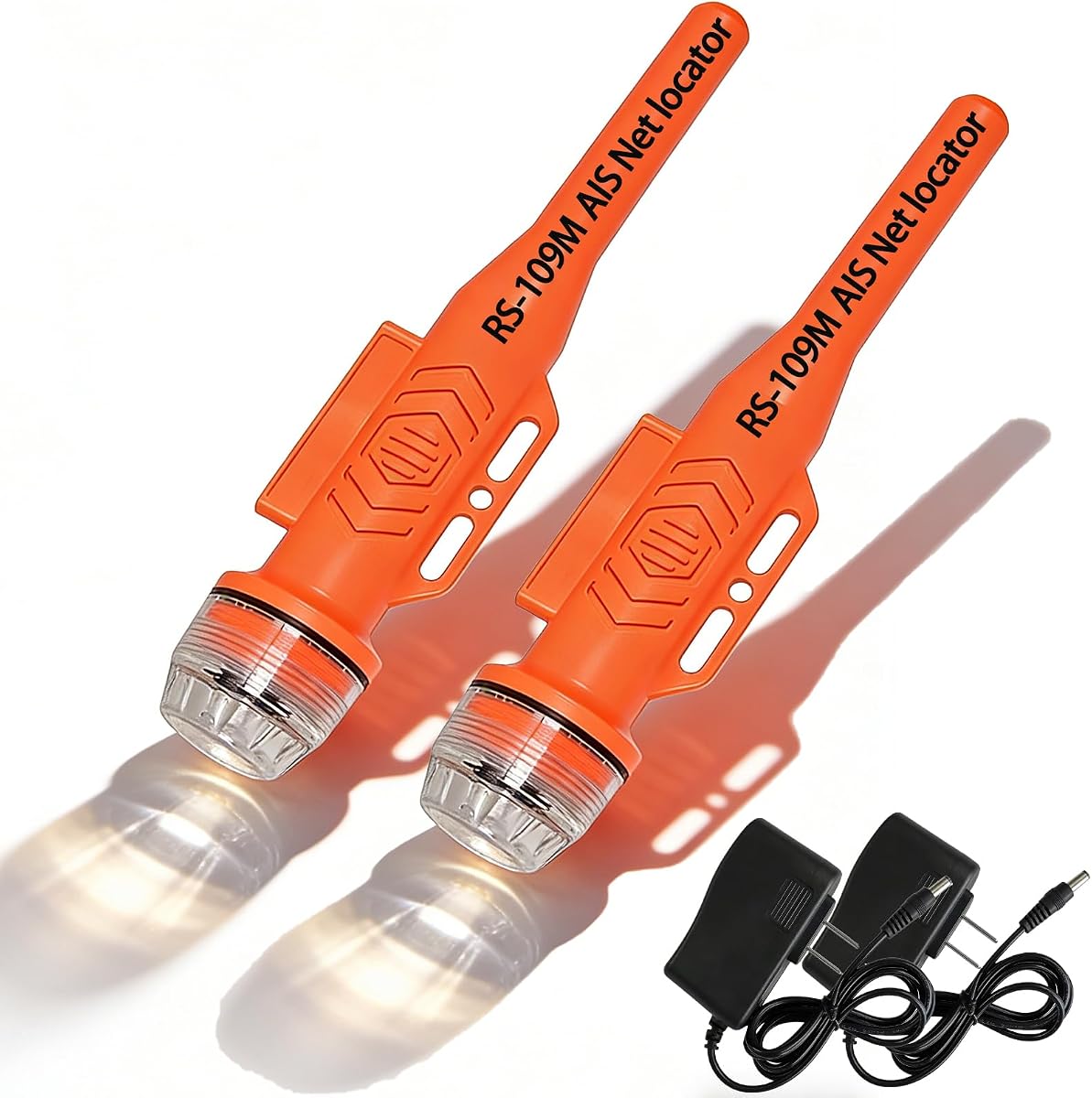
RS-109M Marine Net Locator
4.5Editor score
IPX7 waterproof design
Ten nautical mile range
High capacity battery life
This guide compares the top 10 AIS transponders for boats, featuring Class A and B units from Icom, Furuno, and Raymarine to help you find the right navigation
Navigating modern waterways requires reliable electronic systems that keep your vessel visible to others. An Automatic Identification System transponder broadcasts your position and details to nearby ships and coast guard stations. Choosing the right unit depends on your vessel size, navigation needs, and budget constraints for safety compliance.
We evaluated ten distinct models ranging from compact Class B units to professional Class A systems. Our analysis focused on display quality, connectivity options, power consumption, and integration capabilities with existing marine electronics. Each product offers unique strengths for different boating scenarios and operational requirements.
Every selection here represents a proven option for maritime safety and collision avoidance. Detailed specifications highlight what makes each device stand out in crowded waterways. Prices fluctuate based on availability and bundled accessories, so verify current offers before making your final purchase decision.
4.5Editor score

4.8Editor score
4.9Editor score
This side-by-side comparison breaks down the essential capabilities of each ranked unit to help you identify the model that best fits your specific navigation and safety requirements.




The Icom MA-510TR stands out as a reliable AIS transponder for modern vessels needing robust safety features. It combines a clear visual interface with essential alarm functions to keep crews informed about nearby traffic.
We may earn a commission when you buy through this link, at no additional cost to you.
Its vibrant 4.3 inch display ensures readability even in bright sunlight conditions. The integrated GPS navigation allows precise tracking while the USB connectivity offers easy data management for maintenance.
Some users may find the silent mode feature slightly restrictive if constant alerts are needed. However this trade-off supports secure operations when minimizing electronic noise is a priority for the vessel.
This model is ideal for recreational and commercial boats needing advanced navigation aids. It delivers consistent performance with intuitive controls that simplify daily operation for captains.
The color display ensures critical navigation data remains legible under direct sun conditions.
USB ports allow quick data transfers and system updates without specialized tools.
We may earn a commission when you buy through this link, at no additional cost to you.
The NF-189 B921 provides essential Class B transmission capabilities for vessels prioritizing basic identification needs. It serves as a straightforward solution for boats needing to broadcast position data effectively.
We may earn a commission when you buy through this link, at no additional cost to you.
Supporting both 12 and 24 volt systems makes it versatile for different electrical setups. Its compact design ensures it fits into tight spaces without compromising signal integrity or durability.
The lack of integrated GPS means users must connect external navigation sources. This requirement adds complexity but allows for customized system configurations based on existing gear.
Best suited for smaller boats or backup systems it offers dependable performance. Its flexibility in voltage support makes it a practical choice for varied marine environments.
Accepting 12 or 24 volts allows integration into diverse boat electrical systems.
Small housing saves valuable space on crowded vessel control panels.
We may earn a commission when you buy through this link, at no additional cost to you.
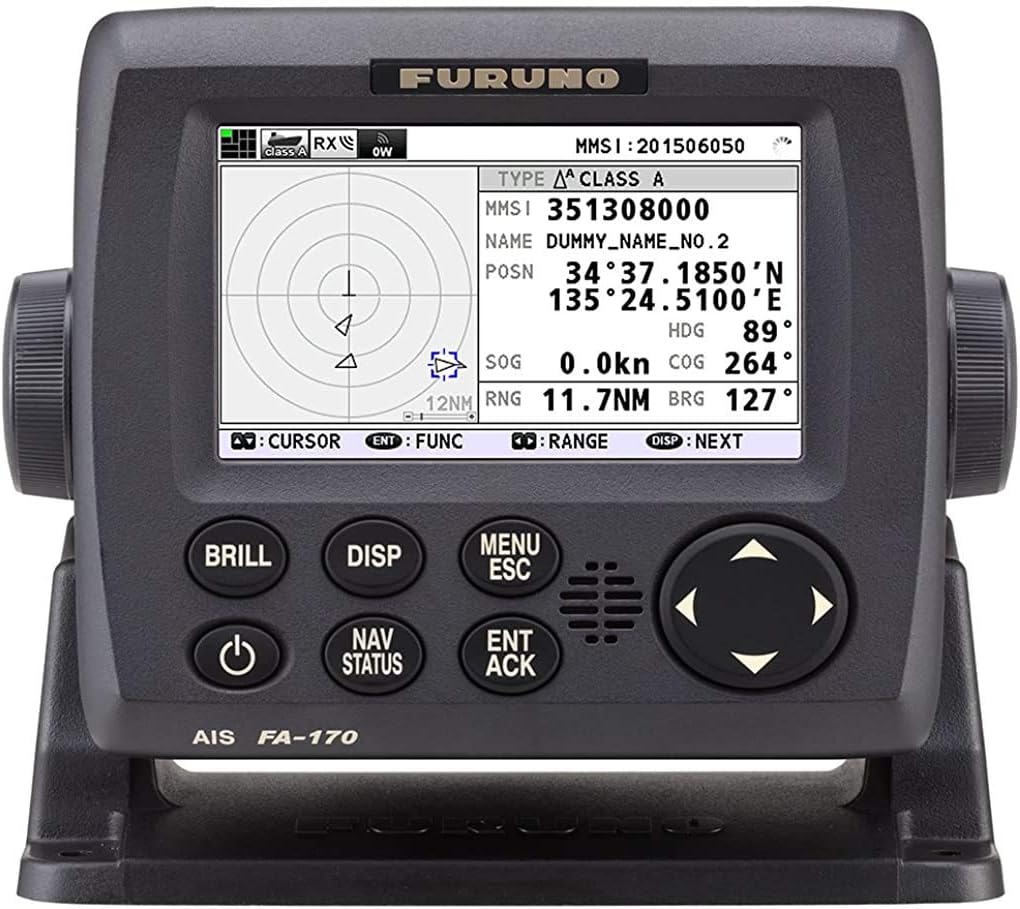
The Furuno FA170 represents the pinnacle of Class A AIS technology for demanding marine environments. It offers extensive tracking capabilities that help captains manage dense traffic areas with confidence.
We may earn a commission when you buy through this link, at no additional cost to you.
Storing up to 2048 targets ensures no vessel is lost during heavy congestion. The dangerous target feature automatically highlights potential collisions saving critical time during emergencies.
Installation might challenge less experienced users due to the number of ports involved. However once configured the system provides unparalleled data depth for professional navigation teams.
Large commercial ships should consider this model for its robust alerting. Its premium features justify the investment by significantly enhancing situational awareness at sea.
High target storage ensures you monitor even distant or intermittent vessels.
Automatic dangerous target lists highlight immediate threats to navigation.
We may earn a commission when you buy through this link, at no additional cost to you.
The RS-109M Marine Net Locator offers an affordable entry point into AIS positioning for specific use cases like buoys or gear tracking. It excels in rugged conditions where durability is paramount for equipment.
We may earn a commission when you buy through this link, at no additional cost to you.
Its IPX7 waterproof design ensures operation even when fully submerged during marine conditions. The 3000mAh lithium battery supports continuous transmission for up to two weeks without recharge.
While it lacks full VHF integration it transmits accurate GPS data to onboard receivers. This feature allows instant status checks without needing to physically inspect each tracked item.
Ideal for fishing fleets or gear monitoring this unit provides essential data reliability. Its low cost makes it a smart choice for tracking multiple items simultaneously.
IPX7 waterproof rating protects internal components from water exposure.
Two weeks of continuous signal reduces maintenance needs significantly.
We may earn a commission when you buy through this link, at no additional cost to you.
This bundle combines VHF communication and AIS transponder capabilities into a single safety solution. It is designed for vessels that need seamless integration between radio and navigation systems.
We may earn a commission when you buy through this link, at no additional cost to you.
The Ray90 VHF ensures clear communication while the AIS unit broadcasts position data. Bundling these devices often provides a cost benefit compared to purchasing them separately.
Installation is streamlined when using Raymarine displays which share common data protocols. However compatibility may be limited if switching to non-Raymarine marine electronics later.
Captains looking for a consolidated approach to communication and navigation should consider this. It simplifies system architecture while maintaining high reliability standards.
Combining VHF and AIS reduces cabling and simplifies panel space usage.
Works best with existing Raymarine networks for easy setup.
We may earn a commission when you buy through this link, at no additional cost to you.
The ACR RESQLINK AIS is designed for individual crew safety rather than vessel tracking. It alerts nearby vessels via AIS when activated ensuring rapid response during overboard incidents.
We may earn a commission when you buy through this link, at no additional cost to you.
Return Link Service confirms rescue teams have received the distress signal reducing anxiety. NFC technology allows easy battery checks via mobile apps without opening the device.
Unlike standard AIS transponders this device does not support routine navigation data. It is purely an emergency tool meant to complement existing onboard safety equipment.
Every crew member should consider having one for offshore passages or rough waters. Its small size ensures it can be worn constantly without hindering movement.
Sends distress signals directly to nearby vessels and satellites.
Return link service confirms rescue teams have received your signal.
We may earn a commission when you buy through this link, at no additional cost to you.
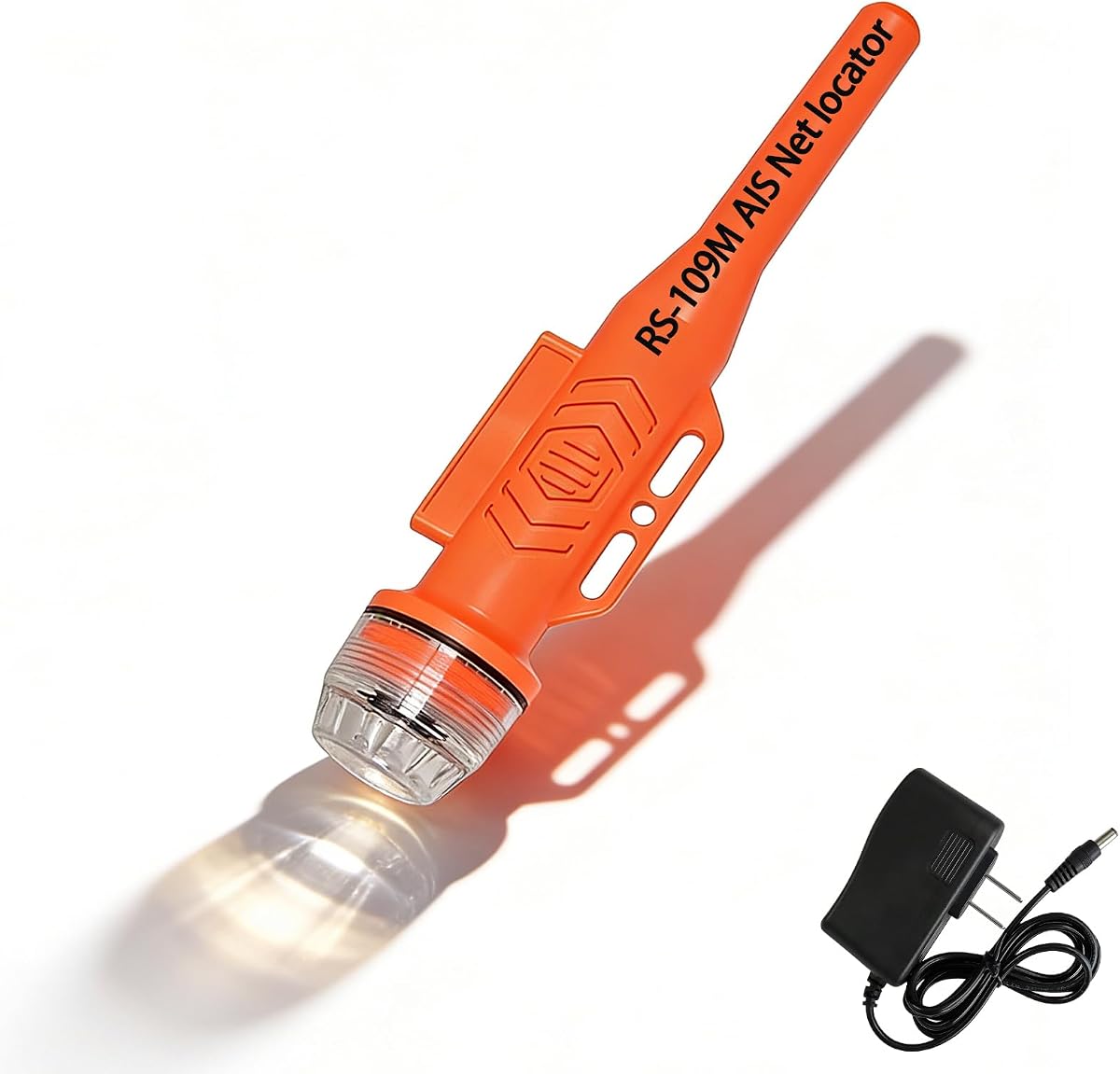
Similar to the 2-pack version this single unit provides reliable tracking for specific gear items. It is particularly useful for fishermen monitoring net buoys or equipment in open water.
We may earn a commission when you buy through this link, at no additional cost to you.
High sensitivity GPS ensures precise location updates for quick retrieval. The waterproof housing meets IPX7 standards so it survives submersion without issues.
Battery data sync lets you monitor power levels remotely. This reduces maintenance frequency since you know exactly when to replace or recharge units.
For those tracking multiple buoys this model offers flexibility and reliability. Its affordable price point makes it easy to equip multiple items effectively.
Ten nautical mile range covers most coastal tracking scenarios effectively.
Real-time battery alerts prevent unexpected signal loss.
We may earn a commission when you buy through this link, at no additional cost to you.
This handheld VHF radio includes an AIS receiver to display nearby vessel traffic directly on its screen. It is perfect for crew members needing mobility without losing safety awareness.
We may earn a commission when you buy through this link, at no additional cost to you.
The loud audio output ensures calls are heard even in noisy engine rooms. Its battery life supports extended typical operating times for all-day use on the water.
While it receives AIS signals it does not transmit full Class B data. This makes it a valuable safety companion but not a substitute for a full shipboard transponder.
Ideal for skippers requiring portable communication this radio balances power and convenience. It offers critical visibility features in a compact durable package.
Built-in AIS shows traffic on the handheld screen.
10 hours battery usage supports full day operations.
We may earn a commission when you buy through this link, at no additional cost to you.
The Icom M510 EVO modernizes vessel communication by integrating AIS capabilities with NMEA 2000 networking. It allows seamless data sharing across your boat's display systems.
We may earn a commission when you buy through this link, at no additional cost to you.
Voice clarity is maintained while the digital interface simplifies channel selection. DSC functionality ensures quick distress calling when emergencies arise unexpectedly at sea.
Installation requires proper NMEA 2000 wiring which may need professional assistance. However this setup provides future-proof connectivity for advanced marine electronics.
Modern fleets upgrading to digital networks should prefer this model. It offers a blend of traditional reliability with modern data advantages.
NMEA 2000 support allows easy integration with existing displays.
Digital controls make channel selection faster and more intuitive.
We may earn a commission when you buy through this link, at no additional cost to you.
This Class B transceiver offers a compact solution for Raymarine systems needing basic AIS visibility. The built-in splitter simplifies antenna connections by removing the need for external hardware.
We may earn a commission when you buy through this link, at no additional cost to you.
SO TDMA networking ensures efficient data transmission even in crowded channels. SeaTalkng compatibility means it integrates well with other Raymarine navigation displays.
User feedback suggests setup may require patience to ensure optimal signal strength. Once configured properly it provides reliable traffic data for safe navigation.
Best for Raymarine owners looking to upgrade existing setups easily. It balances cost with performance for general recreational boating needs.
Built-in splitter removes the need for extra external hardware.
SO TDMA networking manages traffic signals effectively.
We may earn a commission when you buy through this link, at no additional cost to you.
Selecting the right AIS transponder involves understanding your vessel type and specific safety requirements. This guide covers critical factors to consider.
Class A transponders are mandatory for larger commercial vessels and offer higher transmission power and faster update rates. Class B units are suitable for smaller recreational boats and provide essential visibility without the high cost or power draw.
Choose Class B for private yachts unless regulations require Class A due to vessel size.
Internal displays allow quick access to traffic data without needing a separate chartplotter. External-only units save space on the console but rely on your existing navigation screens for visualization.
Internal screens are better for small vessels lacking dedicated navigation systems.
Most transponders require a dedicated VHF antenna or a splitter to share one with your radio. Splitters simplify wiring but can slightly degrade signal strength if not properly rated.
Verify your current antenna setup before purchasing a new transponder.
Class A units consume more power and may require a permanent 24-volt connection. Class B models are lighter and can often work with standard 12-volt boat systems.
Check your electrical system capacity to ensure stable power delivery.
Modern transponders often support NMEA 2000 or SeaTalkng networks to share data with chartplotters and autopilots. This allows traffic to appear directly on your main map screen.
Ensure compatibility with your existing marine network protocol.
Basic transponders cost significantly less than advanced models with internal GPS or full color displays. Balance the need for features against your safety budget.
Do not sacrifice core reliability for minor feature upgrades.
Connect your AIS transponder to a reliable power source and ensure the antenna is vertically mounted. Proper mounting ensures maximum signal range and avoids interference from metal structures.
Configure your vessel details including MMSI number and ship name via the menu. This data broadcasts to nearby ships so they can identify you on their displays.
Regularly update the firmware and check battery levels if using portable units. Firmware updates patch security vulnerabilities and improve signal handling in crowded areas.
In most jurisdictions, operating an AIS transponder does not require a separate radio license, but you must register your vessel's MMSI number. This number is unique to your boat and ensures accurate identification on public radar systems. Always check local maritime regulations before installation to stay compliant.
The range of an AIS transponder typically extends up to 20 nautical miles depending on antenna height and sea conditions. Higher antennas improve signal line-of-sight significantly. Obstacles like islands or other ships can reduce effective range slightly.
No, AIS relies heavily on GPS data to broadcast accurate position and velocity information. If GPS is unavailable the unit cannot transmit valid position data. Always ensure your GPS receiver is functional for safety.
An MMSI number is a unique nine-digit identifier assigned to your vessel for maritime communication systems. It allows nearby ships to identify you as a known entity. You can register this number through national maritime authorities.
If you plan to share a single VHF antenna between your radio and AIS transponder you will need a splitter. This device allows both units to transmit and receive on the same frequency. Without one you must install two separate antennas.
If the transponder battery dies the unit will stop broadcasting your position and other vessel data. For fixed units connected to boat power this means you lose situational awareness. Portable units usually have low battery indicators before failure.
The top three picks offer a balanced range of solutions from cost-effective trackers to premium professional gear. Each selection brings distinct advantages for different vessel types and navigation priorities.
Prioritize safety features like collision alarms and display readability when comparing options. Compatibility with your existing electronics network is just as vital as raw performance.
Check current pricing and availability before purchasing to ensure you get the best deal. Updates to firmware and features happen frequently so verify the latest specs.