
Compact Fluorescent CFL 45W Perfect Daylight Grow Light
4.1Editor score
5500K daylight spectrum
Instant-start technology
Standard household fixture
This guide compares the top ten CFL grow bulbs for indoor gardening, analyzing spectrum output, wattage, and compatibility to help you select the ideal light.
Indoor gardening requires specific lighting conditions to thrive. CFL grow bulbs offer an accessible and affordable solution for hobbyists looking to cultivate plants indoors with efficient energy use and balanced light output.
We compared ten leading CFL grow bulbs based on color temperature, wattage, base type, and user ratings. Our analysis focuses on performance, longevity, and suitability for various indoor growing needs.
Each pick highlights key features and potential drawbacks to guide your decision. Remember that pricing and availability change frequently so verify details before purchasing to ensure the best value.
4.1Editor score

4.1Editor score

5.0Editor score
This side-by-side comparison evaluates the top ten CFL grow bulbs available today. We examine specifications like wattage, color temperature, and lumens to determine which bulb offers the best performance for your indoor garden setup.

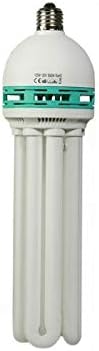
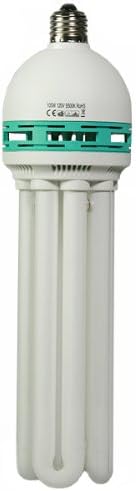


This bulb offers a straightforward entry into CFL grow lighting with a 5500K spectrum ideal for vegetative growth. It balances affordability with standard fixture compatibility for ease of use.
We may earn a commission when you buy through this link, at no additional cost to you.
Rated at 3.6 stars, it provides a full spectrum output suitable for hydroponics. The 60 watt power delivers a 250 watt equivalent ensuring decent coverage for small setups.
Users note the light is adequate but may lack the intensity for large-scale operations. It is best for beginners or supplemental lighting where budget constraints exist.
Buy this if you need a basic grow bulb that fits standard sockets without complex wiring. It provides a reliable option for small herbs or starter plants indoors.
The 5500K color temperature mimics natural daylight which supports healthy plant development during early stages.
Standard household fixtures accept this bulb making installation quick and easy for most home gardeners.
We may earn a commission when you buy through this link, at no additional cost to you.
The Agrobrite FLC26D stands out for its efficiency and 6400K daylight spectrum which is perfect for vegetative growth. It fits standard medium bases ensuring broad compatibility.
We may earn a commission when you buy through this link, at no additional cost to you.
Rated at 4.1 stars it produces 1600 lumens with a 10,000 hour lifespan. This reduces maintenance and energy costs while delivering consistent light for indoor plants.
Though lower in wattage it is sufficient for small setups or seedlings. Users appreciate the compact spiral design which fits well in most fixtures without protrusion.
This is the top pick for cost-effective vegetative lighting. Choose it for herbs or leafy greens where energy savings and reliable spectrum are priorities.
The 6400K output matches peak daylight conditions encouraging strong stem growth and leaf development in young plants.
With a 10,000 hour rating this bulb minimizes replacement needs offering better value over time than cheaper alternatives.
We may earn a commission when you buy through this link, at no additional cost to you.
The HAKUTATZ 105W bulb aims to provide high intensity lighting for indoor setups. It boasts a 105 watt power rating equivalent to a 400 watt incandescent bulb.
We may earn a commission when you buy through this link, at no additional cost to you.
With a 5500K daylight spectrum it supports general plant growth. However, its low user rating of 2.6 suggests potential reliability or performance issues reported by owners.
Users note it mounts on standard household fixtures easily. The high wattage makes it a candidate for larger setups but be cautious of heat or flicker.
Purchase this if you need a bright CFL option for medium gardens. Monitor performance closely and ensure proper ventilation to avoid overheating issues.
A 105 watt power provides significant lumens compared to standard bulbs helping to fill light gaps in indoor setups.
Standard outlet mounting simplifies setup without needing specialized horticultural fixtures or heavy wiring.
We may earn a commission when you buy through this link, at no additional cost to you.
This 105 watt bulb offers a balanced full spectrum output designed for hydroponics. Its 5500K daylight color ensures plants receive the right light for development and flowering.
We may earn a commission when you buy through this link, at no additional cost to you.
Rated at 4 stars it provides a no-heat design that preserves more light energy. Users can use it horizontally or vertically for flexible placement in gardens.
The E27 base is standard but verify compatibility with your fixture. It works well for mid-level setups needing consistent light without excessive heat.
Buy this for versatile grow lighting that supports flowering and vegetative stages. Ensure your fixture matches the base to avoid installation issues.
Full spectrum coverage ensures plants get necessary wavelengths for photosynthesis and healthy coloration.
Horizontal and vertical use options allow you to adapt the light to your specific shelf or tent layout.
We may earn a commission when you buy through this link, at no additional cost to you.
While technically an LED, this bulb is included for its high efficiency and grow capabilities. It delivers full spectrum light with a natural 4000K color to avoid harsh reds.
We may earn a commission when you buy through this link, at no additional cost to you.
Rated at 4.6 stars it saves 90 percent of electricity bills compared to incandescent. The 1000 lumen output is strong for a small bulb and fits standard E26 sockets.
Users praise its natural light color and long lifespan of 25,000 hours. It avoids the heat issues common with CFLs and offers a clean look for home gardens.
Choose this if you prioritize energy savings and durability over strict CFL compatibility. It is an excellent choice for indoor gardens needing efficient lighting.
At only 11 watts this LED consumes significantly less power than traditional grow bulbs while maintaining high output.
The 4000K white light blends with home decor unlike purple grow lights making it ideal for living spaces.
We may earn a commission when you buy through this link, at no additional cost to you.
The InterLux 200W is a premium option for serious indoor gardeners. It delivers high intensity light with a 6500K color temperature ideal for vegetative growth.
We may earn a commission when you buy through this link, at no additional cost to you.
Rated at a perfect 5 stars it ensures reliable performance and consistent spectrum. Users trust it for professional setups requiring robust lighting without spectral gaps.
While more expensive it justifies the cost with longevity and output. Ensure your fixture supports the wattage and base type to utilize it properly.
Invest in this if you need top-tier light quality and output. It is the best choice for advanced growers seeking dependable results.
Designed for professional use this bulb offers consistent output that meets high horticultural standards.
200 watts provides the power needed for larger canopies or dense plant growth indoors.
We may earn a commission when you buy through this link, at no additional cost to you.
EMARTs 105W bulb is designed for photography but works well for plants. It offers a bright white light with 5500K color which supports plant growth effectively.
We may earn a commission when you buy through this link, at no additional cost to you.
Rated at 4.7 stars it has 5800 lumens and no flicker. The low heat output ensures plants won't overheat even when close to the light source.
Users appreciate the brightness and stable light for video too. It is a dual-purpose option for those wanting grow light that can be used for shoots.
Buy this for a versatile bulb that handles both growth and visual tasks. Its stability makes it safe for delicate plants needing consistent light.
5800 lumens ensures strong light output reaching deeper into foliage for better growth results.
Running cool allows safe placement near plants reducing burn risk during long daily cycles.
We may earn a commission when you buy through this link, at no additional cost to you.
This 45 watt CFL provides a perfect daylight spectrum for indoor plants at a budget friendly price. It is ideal for small setups needing reliable light without complex gear.
We may earn a commission when you buy through this link, at no additional cost to you.
Rated at 4.1 stars it starts instantly and fits standard household fixtures. The 5500K output ensures plants get the light they need for healthy development.
Users find it a solid choice for beginners or supplemental lighting. It may lack intensity for large gardens but works well for herbs or starters.
Choose this if you need a simple and effective grow bulb. It balances cost and performance well for entry level indoor gardening.
Low cost makes this accessible for those starting their indoor garden with limited funds.
5500K daylight spectrum supports photosynthesis and healthy plant growth effectively.
We may earn a commission when you buy through this link, at no additional cost to you.
The Xtricity 65W bulb offers 4000 lumens which is excellent for indoor plants. Its 4100K cool white color supports growth though slightly lower than ideal daylight.
We may earn a commission when you buy through this link, at no additional cost to you.
Rated at 4.1 stars it is UL listed for safety and uses less energy than incandescent. The E26 base fits standard sockets easily.
Users note its brightness is great for workshops or porches but works for plants too. It may require adjustment for optimal growth due to color.
Buy this if you need a bright standard bulb that can grow plants. Check your plant needs for color spectrum before purchasing.
4000 lumens provides ample light for larger plants or multiple plants in a single room.
UL listed certification ensures electrical safety and compliance with standard home regulations.
We may earn a commission when you buy through this link, at no additional cost to you.
This LSE Lighting bulb is designed as a direct replacement for specific plant models. It offers a full spectrum daylight output to support vibrant plant growth.
We may earn a commission when you buy through this link, at no additional cost to you.
Rated at 4.4 stars it features a 4-pin quad base for secure fit. Users value its reliability and energy efficient performance for long term use.
It is limited to compatible fixtures which reduces versatility. Ensure you have a matching FLC27D fixture to use this bulb correctly.
Choose this if you own a compatible desktop plant model needing replacement. It provides a direct fix for maintaining light output.
Delivers balanced daylight to support all growth stages of indoor plants effectively.
Standard 4-pin quad base ensures a quick and secure connection to compatible fixtures.
We may earn a commission when you buy through this link, at no additional cost to you.
Selecting the right CFL grow bulb involves understanding key factors like color temperature, wattage, and base type. We break down the most important criteria to ensure your purchase meets your indoor gardening needs.
Color temperature measured in Kelvins determines the light spectrum your plants receive. For vegetative growth look for bulbs in the 5500K to 6500K range which mimic daylight. Lower temperatures around 4100K may work but are less ideal for early growth stages.
Choose a 5500K to 6500K bulb for best vegetative results.
Wattage indicates power consumption but lumens indicate brightness. Aim for bulbs with at least 4000 lumens for medium setups. Higher wattage like 105W offers better coverage but ensure your fixture supports it to avoid electrical issues.
Prioritize lumens over wattage to gauge actual plant lighting power.
Most bulbs use E26 or E27 standard bases which fit common fixtures. Specialized bases like 4-pin quad require specific fixtures. Always check your socket type before buying to ensure proper installation without adapters.
Verify your fixture matches the bulb base to prevent installation issues.
CFL bulbs come in spiral or straight tube shapes. Spirals fit most household fixtures while tubes need specialized lamps. Ensure the bulb fits physically within your grow tent or shelf space for safe operation.
Check physical dimensions of the bulb to match your fixture.
CFL bulbs typically last 8000 to 10000 hours. Look for ratings close to 10000 hours to reduce replacement frequency. Longer lifespans save money and effort over time compared to shorter lived options.
Select bulbs with 10000 hour ratings for better long term value.
Safety certifications like UL Listed ensure the bulb meets electrical safety standards. This reduces risk of overheating or electrical failure. Always check for safety marks when buying bulbs for indoor use.
Prioritize UL Listed bulbs to ensure electrical safety in home setups.
CFLs are more efficient than incandescent bulbs but LEDs may be more efficient. Check wattage to ensure low consumption for high output. Energy efficient bulbs lower your electricity bill while keeping plants healthy.
Compare wattage against lumens to find the most efficient option.
Prices range from under ten dollars to higher costs for premium models. Determine your budget based on grow size and needs. Often the standard CFLs provide excellent value for most indoor gardeners without premium costs.
Start with standard models unless you need professional grade output.
Install the bulb into a standard E26 or E27 fixture ensuring it is seated tightly. Turn off power before installation to avoid electrical shocks. Use a timer to automate light cycles for consistent plant growth.
Position the bulb 10 to 24 inches above plants depending on intensity. Monitor for heat and adjust distance if leaves show signs of burning. Avoid blocking light with tall structures to ensure even coverage.
Clean the bulb occasionally with a soft dry cloth to maintain brightness. Replace bulbs after 10000 hours or if flickering occurs. Store unused bulbs in a dry place to prevent physical damage.
CFL grow bulbs with 5500K or 6500K spectrum are best for vegetative growth. While they can support flowering lower wattage may limit bud density. Use higher wattage options or combine with HPS for best flowering results.
CFL bulbs run cooler than HID lights but can still generate heat. Ensure proper ventilation to avoid overheating. Position bulbs away from direct leaf contact to prevent heat stress on plants.
Most plants need 12 to 16 hours of light daily for growth. Use a timer to automate this cycle. Consistency helps plants maintain healthy rhythms without manual intervention.
Regular CFL bulbs often lack full spectrum output needed for plant growth. Dedicated grow bulbs ensure proper color temperature. Standard daylight CFLs can work but may not be as effective for flowering.
E26 and E27 bases are most common for household fixtures. Specialized grow fixtures may use bi-pin bases. Check your lamp socket type before purchasing to ensure compatibility.
Full spectrum bulbs cover a wide range of light colors. Look for ratings stating full spectrum or 5500K+. Color temperature indicates the spectral balance needed for plant health.
Yes CFL bulbs work well with standard mechanical or digital timers. This allows consistent light cycles without manual effort. Ensure the timer handles the wattage load safely.
LEDs are generally more efficient and last longer. CFLs are cheaper upfront but may need replacing sooner. Choose based on budget and grow size as both offer benefits.
We explored ten top CFL grow bulbs ranging from budget options to premium choices. The Agrobrite FLC26D and InterLux 200W stand out for performance and efficiency in their respective categories.
Prioritize color temperature and wattage when selecting a bulb to match your specific plants. Ensure compatibility with your fixture to avoid installation challenges or safety risks.
Always check current prices and availability before buying as deals change frequently. Selecting the right bulb helps ensure a healthy and productive indoor garden.