
EVISTR 64GB Digital Voice Recorder
4.2Editor score
64GB high capacity storage
Voice activated recording
PCM intelligent noise reduction
This guide compares the top 10 handheld recorders for journalists in 2026, evaluating audio quality, portability, battery life, and features to help you choose
Journalists need reliable tools to capture clear audio in challenging environments. Handheld recorders offer professional quality, portability, and durability essential for field reporting, interviews, and documentation.
We compared ten leading models based on microphone quality, recording formats, battery endurance, and connectivity. This analysis highlights devices that excel in noise reduction, ease of use, and storage flexibility.
Each pick showcases specific strengths for different reporting scenarios. Prices and availability change frequently, so verify current listings before purchasing to ensure you get the best value for your equipment.
4.2Editor score

4.7Editor score
4.2Editor score
This side-by-side comparison evaluates all ten selected recorders across key performance metrics including audio fidelity, battery life, storage options, and connectivity features to assist your purchasing decision.




The Zoom H5 stands out as a top-tier choice for journalists requiring professional-grade audio capture. With a 4.7 rating, it delivers exceptional clarity and flexibility through its interchangeable input system.
We may earn a commission when you buy through this link, at no additional cost to you.
Its ability to swap capsules allows you to adapt to various recording scenarios quickly. The four-track simultaneous recording ensures you never miss a detail, while XLR inputs support external microphones seamlessly.
Although it carries a higher price and weight compared to basic models, the investment pays off in durability and sound quality. These trade-offs are acceptable for serious reporters needing reliability in the field.
Journalists prioritizing audio excellence and adaptability will find this recorder indispensable. It balances advanced features with intuitive operation, making it a reliable partner for any reporting assignment.
Swappable capsules let you switch between stereo and specific mics instantly for any scenario.
XLR and TRS connectors enable direct connection to professional microphones and mixers easily.
We may earn a commission when you buy through this link, at no additional cost to you.
The EVISTR 64GB offers incredible value for journalists needing reliable recording without breaking the budget. Rated 4.2, it captures clear stereo sound and stores thousands of hours of content.
We may earn a commission when you buy through this link, at no additional cost to you.
Its voice-activated feature saves battery and storage by recording only when sound is detected. The large 64GB memory ensures you won't run out of space during long interviews or events.
While it lacks some premium features like XLR inputs, it excels in simplicity and endurance. For basic reporting and meeting documentation, this model provides the essentials effectively and affordably.
Budget-conscious reporters will appreciate its straightforward interface and long runtime. It is an ideal secondary device or primary tool for light-duty journalistic tasks requiring minimal setup.
Adjustable sensitivity ensures recording starts only when voices are present, reducing silent files.
Fast charging supports over 30 hours of continuous recording for all-day fieldwork.
We may earn a commission when you buy through this link, at no additional cost to you.
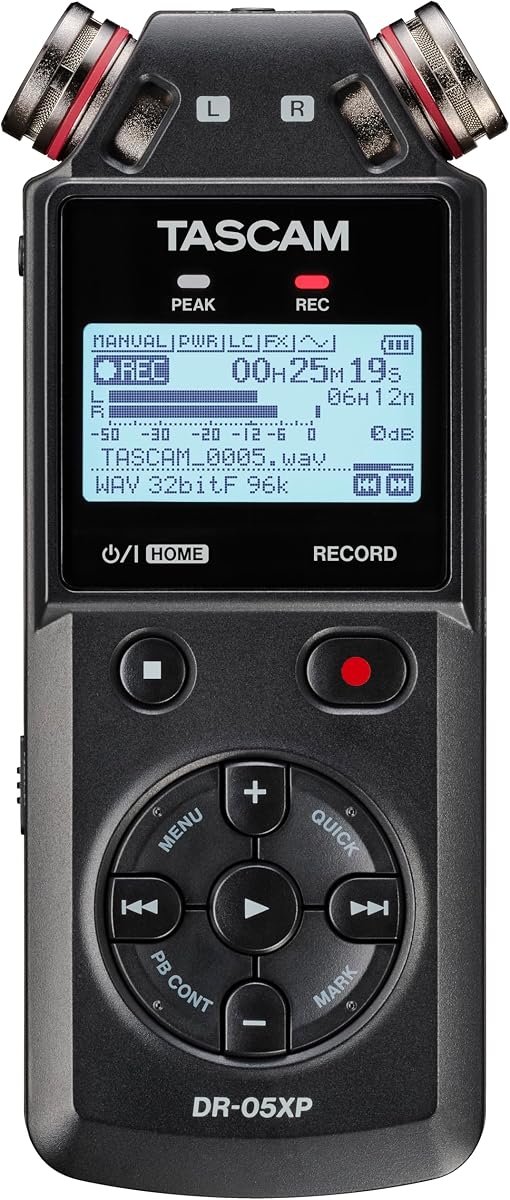
The TASCAM DR-05XP delivers professional audio quality with 32-bit float recording technology. Rated 4.2, it captures sound without clipping even in extremely loud environments, making it perfect for fieldwork.
We may earn a commission when you buy through this link, at no additional cost to you.
Its USB-C interface allows direct recording to computers, streamlining post-production workflows. The omnidirectional microphones ensure comprehensive coverage of the surrounding area during interviews.
Though it requires separate batteries and lacks XLR connectivity, its portability and sound fidelity are unmatched at this size. These minor limitations are outweighed by its robust performance and ease of use.
Journalists seeking high-fidelity audio in a compact package should consider this model. It bridges the gap between casual recorders and professional gear with impressive technical capabilities.
32-bit float technology ensures audio quality remains intact even at volume levels that cause distortion.
Connect via USB-C to use the device as a microphone for direct computer recording sessions.
We may earn a commission when you buy through this link, at no additional cost to you.
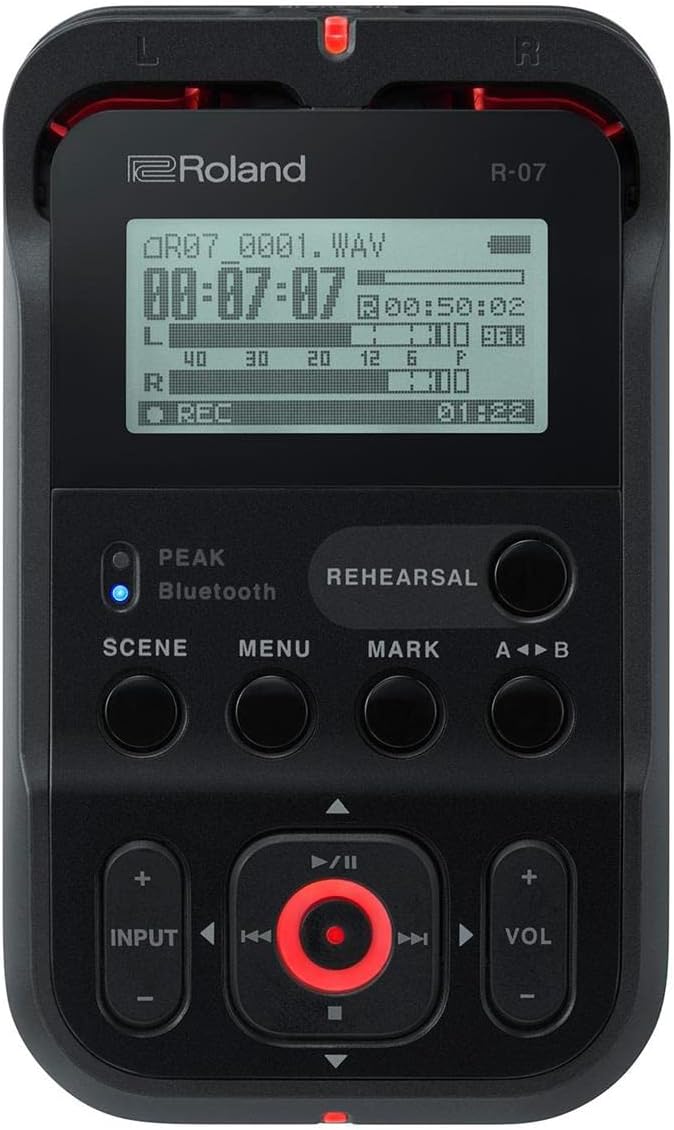
The Roland R-07 is a lightweight hi-res recorder designed for quick setup and mobile flexibility. With a 4.2 rating, it offers Bluetooth control and simultaneous recording formats for backup safety.
We may earn a commission when you buy through this link, at no additional cost to you.
One-touch templates simplify configuration, allowing journalists to start recording instantly in any scenario. The built-in speaker facilitates immediate playback, while low-latency monitoring supports real-time checks.
While the screen is small and gain settings are limited, its portability and ease of use make it ideal for travel. It balances features well for general reporting without excessive bulk.
Reporters needing a compact, versatile device will find this unit highly functional. Its combination of wireless control and high-resolution recording suits modern digital journalism workflows effectively.
Control and monitor recordings wirelessly via supported smart devices and Bluetooth speakers.
Pre-configured templates adjust settings automatically for interviews, music, or voice notes.
We may earn a commission when you buy through this link, at no additional cost to you.
The Tonfarb recorder emphasizes security and endurance with its 64GB storage and 48-hour battery life. Rated 4.0, it features one-click recording and password protection for sensitive journalistic work.
We may earn a commission when you buy through this link, at no additional cost to you.
Its PCM recording ensures crystal-clear audio up to 1536kbps, suitable for detailed interviews and documentation. The large screen aids navigation, while voice activation optimizes storage use automatically.
Although it may feel slightly heavy and requires some familiarization, its reliability and capacity are outstanding. Password features add an essential layer of protection for confidential field notes.
Journalists prioritizing long-term recording and data security will benefit from this model. It serves well for extended assignments where battery and storage limits are critical concerns.
Password protection ensures only authorized users can access recorded files and personal data.
Side buttons enable immediate recording and saving even when the device is powered off.
We may earn a commission when you buy through this link, at no additional cost to you.
The Tascam DR-40 offers robust multitrack capabilities with high-resolution audio recording. Rated 4.6, it delivers superior sound quality and connectivity options suitable for detailed field recording tasks.
We may earn a commission when you buy through this link, at no additional cost to you.
Its XLR inputs and portable design make it adaptable for various professional setups. The four-track functionality allows layered recording, which is beneficial for complex interviews or ambient sound capture.
While it is bulkier than simple voice recorders, the audio fidelity and feature set justify the size. Its user-friendly interface ensures journalists can operate it confidently without extensive training.
Serious reporters needing professional-grade features should consider this model. It excels where audio depth and input flexibility are paramount for high-quality media production.
XLR and TRS inputs support a range of external microphones and audio equipment.
Supports multiple sample rates and bit depths for professional audio post-processing.
We may earn a commission when you buy through this link, at no additional cost to you.
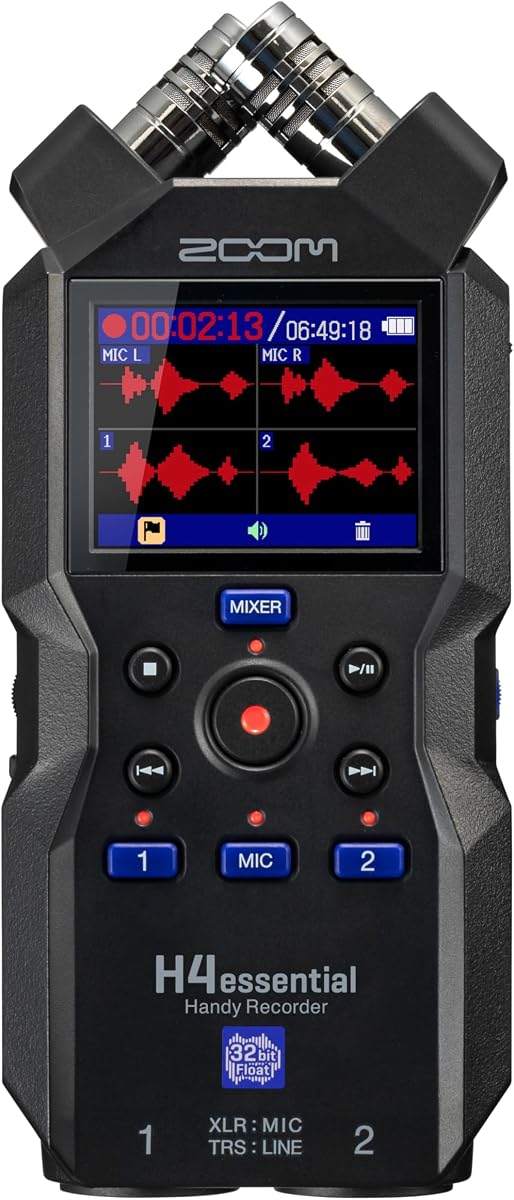
The Zoom H4 Essential simplifies professional recording with its guided spoken menu and straightforward controls. Rated 4.4, it provides clear stereo sound and easy USB-C integration for modern workflows.
We may earn a commission when you buy through this link, at no additional cost to you.
Its 4-track capability ensures you can capture interviews and ambient audio simultaneously without complexity. The XLR/TRS inputs allow external microphone use, extending versatility for diverse reporting environments.
Although it lacks advanced features found in higher-end models, its accessibility is a major strength for new users. The spoken menu reduces setup time, allowing journalists to focus on content rather than settings.
Journalists entering the field or preferring simplicity will appreciate this unit. It balances essential professional features with an intuitive user experience that minimizes technical barriers.
Menu prompts guide users through settings making the device accessible for all skill levels.
Simultaneously record to SD card and device via USB-C for redundant backup security.
We may earn a commission when you buy through this link, at no additional cost to you.
The Pocket AI Voice Recorder transforms meetings and interviews into searchable text automatically. Rated 4.6, it captures audio and generates summaries, key insights, and action items instantly for faster review.
We may earn a commission when you buy through this link, at no additional cost to you.
Its one-tap recording and MagSafe compatibility allow seamless integration with iPhones for hands-free use. The device supports long sessions with a 4-day battery life ensuring continuous operation during travel.
Though some features rely on subscriptions and cloud connectivity, the productivity gains are substantial. It saves journalists significant time by automating note-taking and content extraction efficiently.
Modern reporters focused on digital content and rapid output will find this tool invaluable. It bridges the gap between recording and writing, accelerating the workflow from event to publication.
AI turns audio into structured summaries and next steps for immediate action.
MagSafe mounting ensures stable placement for continuous recording without holding the device.
We may earn a commission when you buy through this link, at no additional cost to you.
The Zoom H1 Essential provides polished sound quality for content creation and interviews. Rated 4.0, it captures clear stereo audio for reels, tutorials, and behind-the-scenes clips effectively.
We may earn a commission when you buy through this link, at no additional cost to you.
Its USB-C connection allows use as a microphone for livestreams and calls, adding versatility for digital journalists. The straightforward design ensures easy handling during travel or tight interview spaces.
While battery life is modest and features are basic, it offers excellent value for entry-level work. The focus remains on delivering clear voices and ambient sound for diverse media needs.
Creators and reporters seeking an affordable, simple recorder will find this model suitable. It delivers essential high-quality audio without unnecessary complexity or high costs.
Connect directly to computers for streaming and recording without extra adapters.
Small footprint allows discreet placement during sensitive interviews and field reporting.
We may earn a commission when you buy through this link, at no additional cost to you.
The Zoom H2 Essential offers advanced mic patterns and clip-free audio in a compact unit. Rated 4.4, its nine recording patterns and Bluetooth timecode support diverse creative and reporting needs.
We may earn a commission when you buy through this link, at no additional cost to you.
Its audio accessibility features include spoken menus in seven languages, making it one of the most inclusive recorders available. This ensures usability for a wide range of operators in the field.
While it is a newer model with fewer long-term reviews, the design prioritizes user experience and flexibility. The wireless sync allows coordinated recording for team-based journalism projects.
Reporters needing accessible, pattern-flexible recording tools will appreciate this innovation. It stands out for its commitment to usability and modern synchronization capabilities.
Audible guidance supports visually impaired users with multi-language spoken instructions.
Bluetooth timecode enables seamless alignment across multiple recording devices.
We may earn a commission when you buy through this link, at no additional cost to you.
Selecting the right recorder involves balancing technical specifications with practical needs in dynamic environments. Consider these key factors to ensure your device performs reliably under pressure.
High-quality audio ensures interviews are clear and professional. Look for recorders supporting 24-bit or 32-bit float recording to prevent clipping in loud environments. Sampling rates of 48kHz or higher capture the full detail of human speech and ambient sounds.
Prioritize models offering high bit depths to maintain audio integrity during post-production editing and processing.
Built-in microphones should capture sound evenly from different angles. Omnidirectional mics are best for general interviews, while directional options focus on specific sources. Interchangeable capsules offer maximum flexibility for varied reporting conditions.
Select a device with mics that match your typical reporting style and noise levels.
Long reporting days demand reliable battery performance. Recorders supporting AA batteries or offering USB charging provide extended runtime. Aim for models with at least 15 hours of continuous recording capacity.
Ensure the device supports convenient charging methods like USB-C for quick field recharging.
Large internal storage or SD card slots are essential for high-resolution audio files. WAV format offers better quality but consumes more space than MP3. Look for dual-format recording to save files simultaneously for backup.
Choose models with 64GB or higher storage to reduce frequent file transfers during fieldwork.
USB or USB-C connections allow direct transfer to computers without cables. Bluetooth support enables wireless monitoring and control. Compatibility with external mixers expands possibilities for complex setups.
Prioritize devices with versatile connectivity to streamline post-production workflows efficiently.
Fieldwork requires lightweight and durable equipment. Compact sizes fit easily in pockets while rugged construction withstands travel hazards. A good build ensures long-term reliability in challenging conditions.
Balance weight and durability to avoid fatigue during long reporting trips.
Intuitive menus and physical buttons enable quick access to recording functions. Voice guidance and clear displays reduce setup time. Simple operation ensures you start recording without hesitation in dynamic situations.
Test interface usability before purchasing to confirm it matches your workflow speed.
Voice activation reduces storage use by recording only on sound. Password protection secures sensitive interviews and data. AI transcription tools automate note-taking, saving post-reporting time.
Identify features that directly improve your specific reporting efficiency and data management.
Begin by charging the device fully and inserting a formatted SD card if required. Configure audio settings such as sample rate and format according to your project needs before heading out.
During interviews, position the recorder close enough to capture clear voices but far enough to avoid handling noise. Use wind protection outdoors and adjust gain levels to prevent distortion.
After recording, transfer files to secure storage immediately. Clean the microphones and case regularly to maintain performance. Store the device in a padded bag to protect it during transit.
Devices with noise cancellation and adjustable gain like the TASCAM DR-05XP or Zoom H2 Essential perform well. Their microphones handle loud sources without distortion.
If you plan to use professional external microphones, XLR inputs are essential. Otherwise, built-in mics on most models suffice for standard interviews.
Look for models offering at least 15 hours of continuous recording. Recorders with AA batteries allow quick swaps for extended fieldwork days.
WAV format is preferred for high quality, though MP3 saves space. Dual recording captures both formats simultaneously for backup options.
Yes, many modern devices support Bluetooth or USB-C connections to transfer files and control recordings via smartphone apps easily.
Voice activation saves storage and battery by recording only when sound is detected. It reduces silent files but may miss quiet segments in interviews.
Choosing the right handheld recorder depends on your specific needs and reporting environment. Models like the Zoom H5 and TASCAM DR-05XP offer top-tier quality for demanding professionals.
Budget-conscious users can rely on the EVISTR 64GB or Tonfarb devices for solid performance without advanced features. Consider battery life and connectivity as critical decision factors.
Always verify current specifications and pricing before purchase to ensure you select the best tool for your journalistic workflow and technical requirements.