
Sainlogic Automatic Plant Waterer
4.4Editor score
Visual soil hydration display
IP64 waterproof design
Fifteen drip emitters included
This guide compares the top indoor automatic plant watering system options for reliability, smart features, and ease of use to help you keep plants healthy.
Keeping indoor plants healthy requires consistent care, but busy schedules often make daily watering difficult. An indoor automatic plant watering system solves this by delivering the right amount of moisture on schedule without constant monitoring.
We evaluated ten leading models based on setup complexity, scheduling flexibility, sensor accuracy, and overall value. Our comparison highlights systems that support everything from small houseplants to larger indoor garden setups with minimal maintenance.
Each pick below shows key strengths, drawbacks, and ideal use cases to help you choose wisely. Prices and availability change frequently, so verify current details on the product pages before making your final selection.
4.4Editor score

4.2Editor score

4.2Editor score
This side-by-side comparison highlights key specifications across all ten systems to help you find the right match for your plant collection and lifestyle needs.


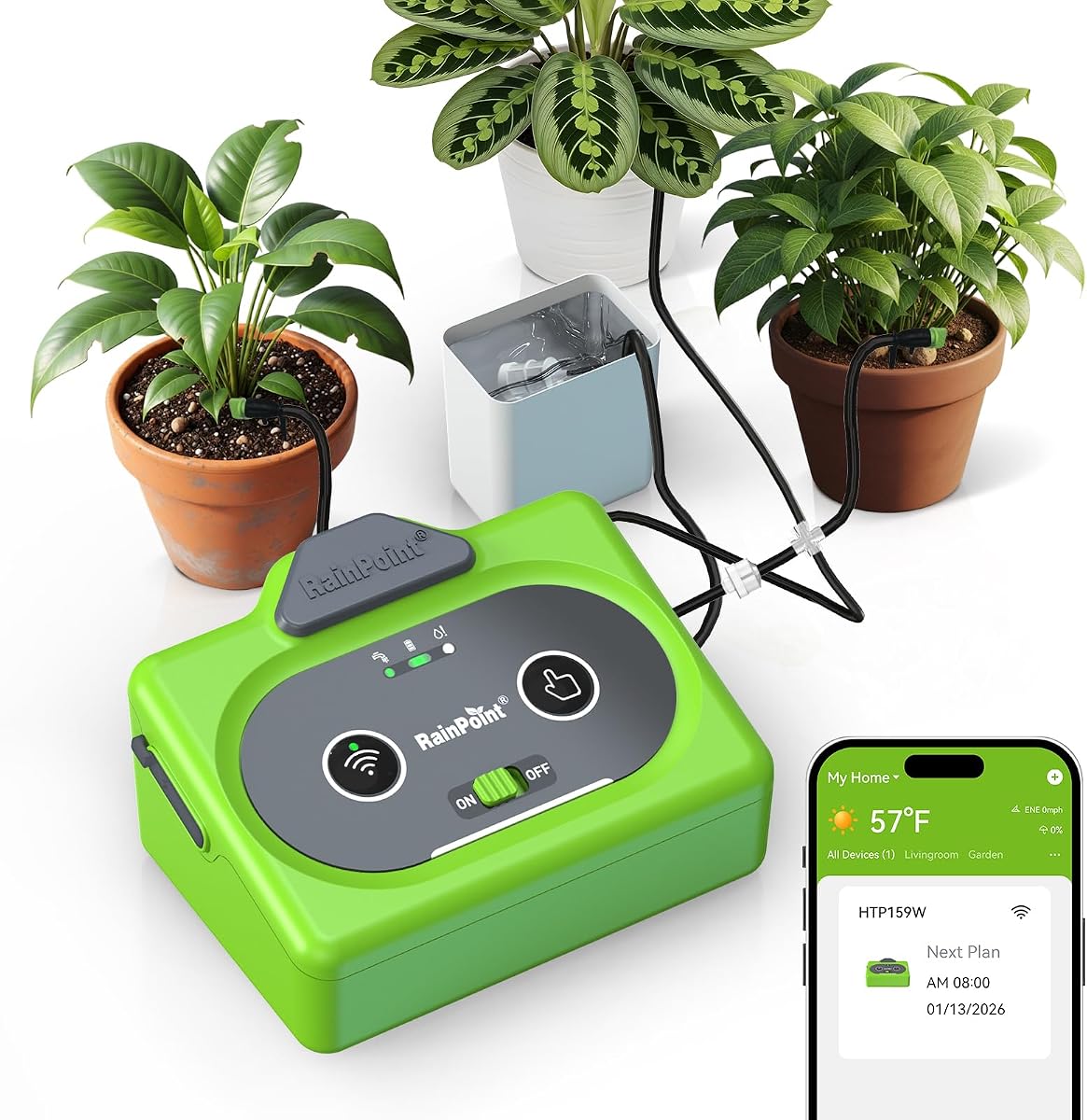

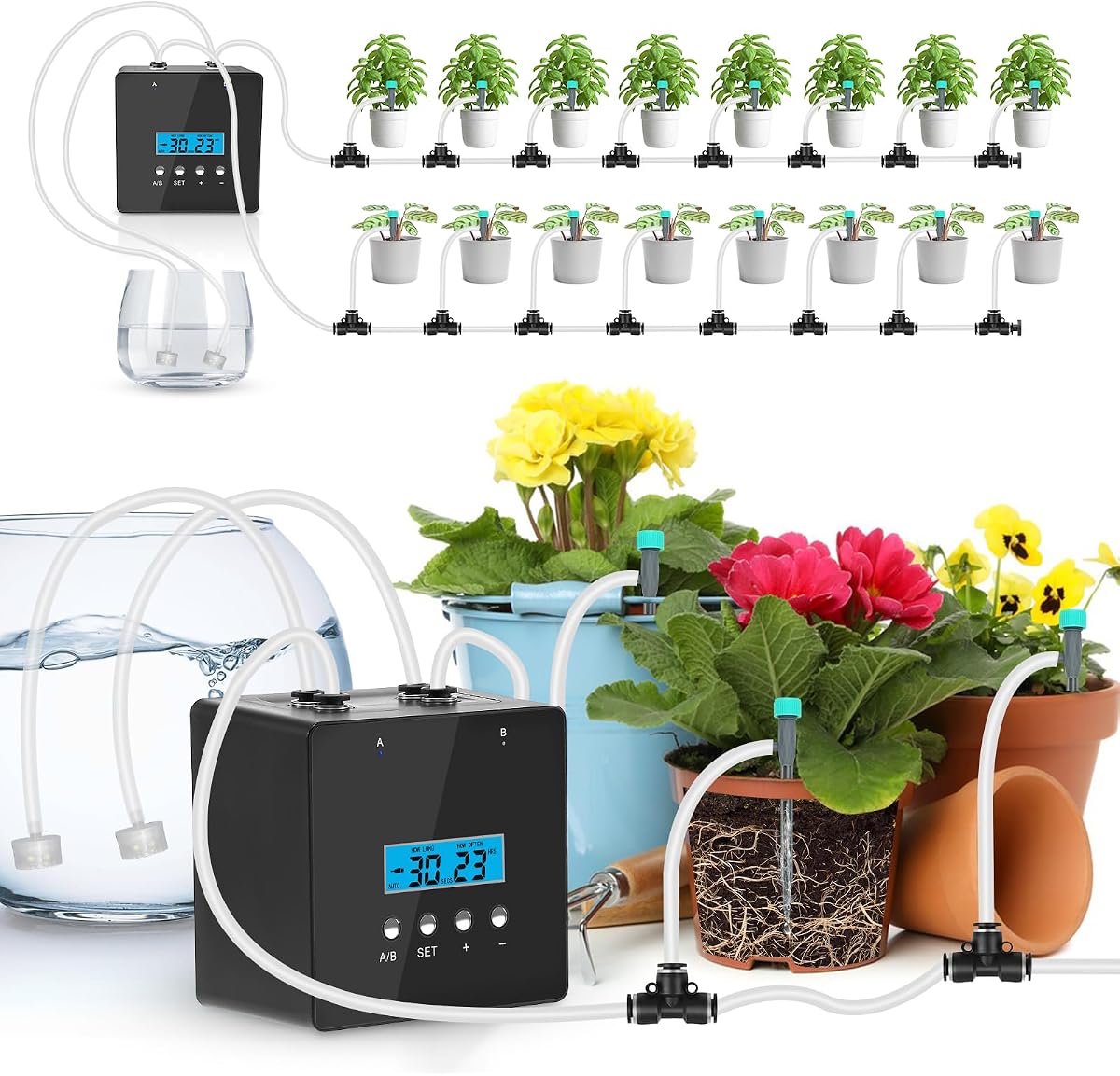
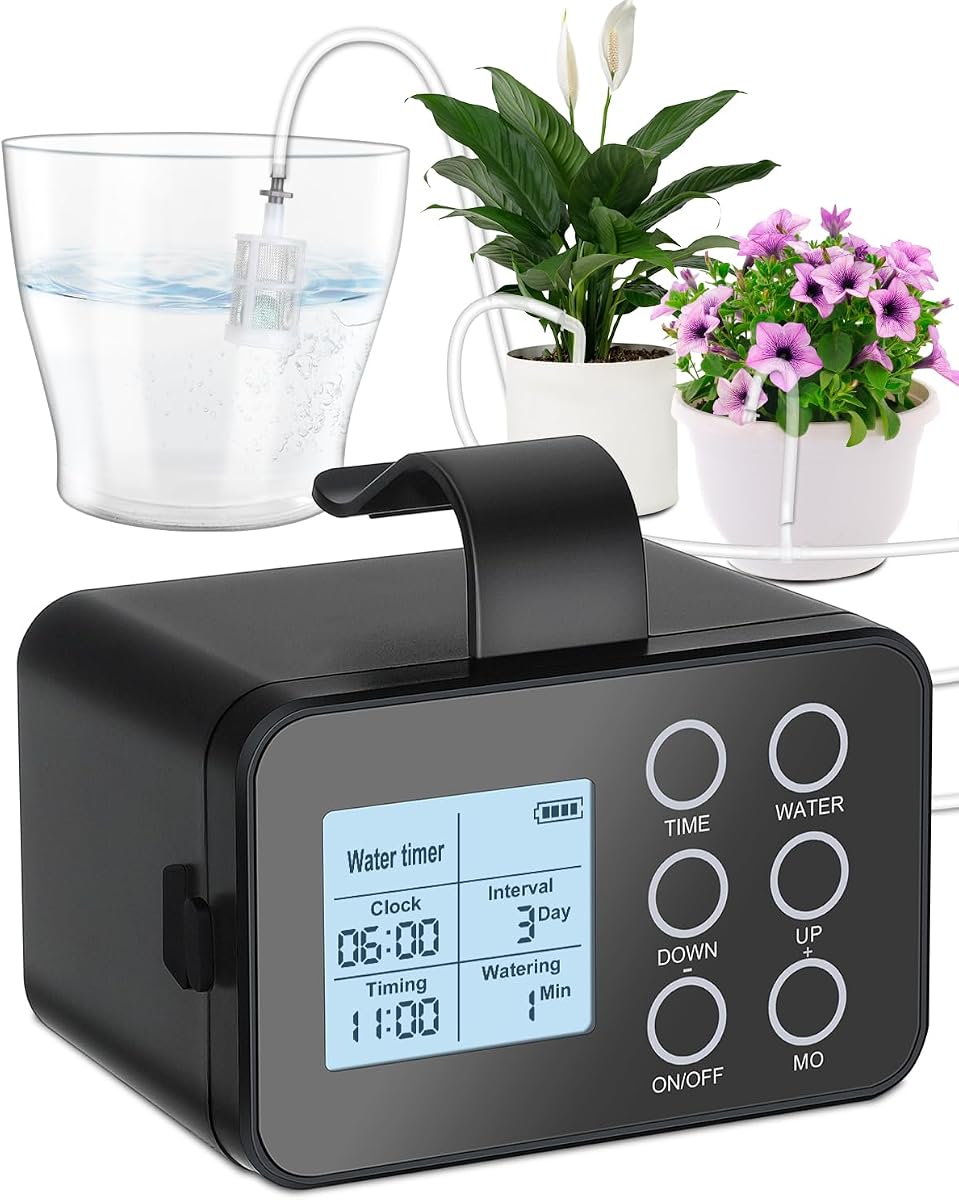

The Moistenland Automatic Plant Waterer offers a straightforward solution for gardeners who want reliable scheduling without smart features. With a 4.3 rating, users appreciate its ability to water at optimal times even when away.
We may earn a commission when you buy through this link, at no additional cost to you.
Its customizable schedules let you program start times and intervals to match plant needs. The drip system targets the root zone directly, minimizing evaporation and saving up to seventy percent of water compared to manual watering.
While installation takes only fifteen minutes, you must ensure the water source sits below the pots to avoid siphoning effects when the pump stops. This physical constraint is manageable for most setups but worth noting.
Ideal for budget conscious buyers who prioritize simplicity over connectivity, this system delivers consistent hydration. It is a dependable choice for small indoor gardens where routine care matters most.
Water flows directly to roots reducing waste and helping plants absorb moisture more effectively than traditional methods.
Clear instructions and all necessary components make assembly accessible for beginners without requiring tools or experience.
We may earn a commission when you buy through this link, at no additional cost to you.
This indoor system stands out with its humidity detection mode that automatically adjusts watering based on environmental conditions. Rated 4.2 stars, it is popular among travelers who want peace of mind while away from home.
We may earn a commission when you buy through this link, at no additional cost to you.
You can program specific schedules or switch to humidity mode for responsive care. The system supports up to fifteen pots and includes thirty three feet of tubing, allowing flexible layouts for various plant arrangements.
While the humidity feature adds intelligence, it requires initial setup and calibration to work accurately. Users should place the sensor near plants with similar needs to avoid inconsistent watering across different species.
For those seeking a balance of automation and adaptability, this model offers excellent value. It ensures plants stay hydrated without manual checks, making it ideal for busy households or frequent travelers.
Switching to humidity mode lets the system adjust watering amounts based on soil moisture, reducing guesswork for new plant owners.
Once programmed, the system runs autonomously, ensuring your garden remains lush even during extended absences or vacations.
We may earn a commission when you buy through this link, at no additional cost to you.
Rated 4.3 stars, this system integrates a smart humidity sensor that monitors moisture levels to optimize watering. The rechargeable battery allows cordless placement, giving you flexibility in where you install the controller.
We may earn a commission when you buy through this link, at no additional cost to you.
With seventy seventy watering combinations and forty nine feet of tubing, it accommodates complex indoor gardens. The LED display simplifies programming, letting you set durations from twenty seconds to thirty minutes and intervals from one hour to fifteen days.
The main trade-off is the higher price compared to basic timers. However, the ability to avoid overwatering through smart sensing justifies the cost for serious plant enthusiasts who value precision.
This kit suits those who want a fully self-contained solution without needing outlets near their plants. Its adaptability makes it a top choice for diverse indoor setups ranging from shelves to hanging baskets.
The soil humidity sensor helps adjust watering automatically, reducing the risk of root rot and unnecessary water usage.
Built-in rechargeable battery allows flexible placement without needing a power outlet during operation for easier setup.
We may earn a commission when you buy through this link, at no additional cost to you.
With a 4.4 rating, the Sainlogic system offers a large display that clearly shows moisture levels and schedules. This visual feedback helps users avoid wilted plants after vacations or busy workdays.
We may earn a commission when you buy through this link, at no additional cost to you.
Its IP64 waterproof design protects the controller from humidity and occasional splashes, making it suitable for balconies or humid indoor environments. The anti-siphon valve prevents leaks when the pump stops.
While the emitters are not individually adjustable, the controller allows precise interval and duration settings. This limitation simplifies operation but reduces fine-tuning options for varied plant types within the same system.
For travelers wanting reliable protection without smart complexity, this model delivers excellent value. Its clear interface and waterproof build make it a stress-free choice for maintaining plant health during absences.
Monitor moisture levels clearly on the display to understand when plants need water without guessing or using separate tools.
Waterproofing and anti-siphon features ensure your plants stay safe during downpours or long trips without water damage.
We may earn a commission when you buy through this link, at no additional cost to you.
Rated 4.3 stars, this system enables remote watering via a free app with local storage to keep schedules running during internet outages. It also includes a battery backup for power failures, ensuring uninterrupted care.
We may earn a commission when you buy through this link, at no additional cost to you.
Adjustable drip emitters let you tailor flow for different plant types, while water shortage alerts notify you when the reservoir is low. Family co-management allows multiple people to monitor status and receive notifications.
The dependency on 2.4GHz networks and higher cost may be barriers for some users. However, the combination of smart controls and redundancy makes it one of the most robust options available.
Ideal for tech-savvy plant owners, it provides unmatched flexibility and peace of mind. If you want to manage your garden from anywhere while keeping backups in place, this model is a top contender.
Local storage keeps schedules running during internet outages, ensuring your plants stay watered without relying on constant connectivity.
Push and email notifications inform you of low water levels or system status, allowing timely refills and preventing dry spells.
We may earn a commission when you buy through this link, at no additional cost to you.
This 2027 model features two independent zones to water up to thirty plants simultaneously, allowing different schedules for distinct plant groups. Its ninety-day battery backup ensures continuity even during extended power outages.
We may earn a commission when you buy through this link, at no additional cost to you.
Adjustable flow valves let you customize watering for each plant, while the water cutoff detection protects the pump from running dry. The large LED display simplifies status checks without complex menus.
Expansion to full thirty-plant capacity requires additional kits, and the system supports only two zones. Users needing more than two groups may find this limiting compared to single-zone alternatives.
For medium-to-large indoor gardens with varied plant needs, this system offers robust control. It balances advanced features with user-friendly operation, making it suitable for dedicated plant enthusiasts.
Two independent zones let you water different plant types on separate schedules, matching hydration to specific growth needs.
Watering continues for up to ninety days after power loss, ensuring your plants stay healthy during outages or travels.
We may earn a commission when you buy through this link, at no additional cost to you.
Rated 4.2 stars, the LetPot system offers a feature-rich app supporting up to five watering tasks and low-water alerts. Its silent pump and IP66 waterproofing make it suitable for indoor spaces and balconies.
We may earn a commission when you buy through this link, at no additional cost to you.
The app includes plant information and a diary feature, enhancing the gardening experience beyond simple automation. Adjustable drip modes let you choose between intermittent or continuous watering to match soil absorption.
While the app provides extensive control, initial setup requires stable WiFi and configuration. The higher price reflects these advanced features, which may not justify the cost for basic watering needs.
Ideal for gardeners who enjoy app-based management, it combines convenience with durability. Its silent operation ensures it fits seamlessly into living spaces without disturbing household routines.
The dedicated app supports multiple tasks and includes plant information, allowing detailed tracking and customized care plans.
A German-imported silent pump reduces noise, making it suitable for use in bedrooms or living areas without disturbance.
We may earn a commission when you buy through this link, at no additional cost to you.
This system features two independent pumps to water up to twenty plants with separate schedules, allowing different care for succulents versus larger indoor plants. It runs on USB-C or batteries, offering power flexibility.
We may earn a commission when you buy through this link, at no additional cost to you.
Its design works with household containers like buckets or bottles, removing the need for faucet connections. Adjustable emitters help match flow rates to individual pot sizes and plant types.
However, it lacks smart sensors and app control, relying solely on timer programming. For users who prioritize simplicity and versatility over connectivity, this remains a practical and affordable option.
Ideal for households with diverse plant needs, the dual pump design simplifies managing different watering schedules in one setup. It is a solid choice for those wanting modular control without complex smart features.
Two independent pumps allow separate watering schedules, making it easy to tailor hydration for different plant types.
USB-C or battery power options let you install the system anywhere without needing an outlet near your plants.
We may earn a commission when you buy through this link, at no additional cost to you.
Rated 4.5 stars, this system features a large LCD display that simplifies programming without requiring apps or WiFi. Its battery lasts over thirty days on a single charge, reducing maintenance frequency.
We may earn a commission when you buy through this link, at no additional cost to you.
You can set time or day-based intervals and activate manual watering instantly with the MO button. The anti-siphon valve ensures consistent flow and prevents backflow issues that could damage plants.
While it lacks smart connectivity, the straightforward interface makes it accessible for all skill levels. The long battery life ensures reliability during vacations without needing frequent recharges.
Ideal for those seeking a reliable, app-free solution, this model delivers consistent results. Its ease of use and clear display make it a practical choice for everyday indoor plant care.
Scheduling details are visible on a user-friendly LCD display, eliminating the need for downloads or complex interfaces.
Energy-saving mode allows the battery to last thirty days, reducing charging frequency and ensuring long operation.
We may earn a commission when you buy through this link, at no additional cost to you.
Rated 4.0 stars, this system is designed for vacation peace of mind with real-time app notifications and a sixty-day battery. Its anti-siphon valve prevents leaks when the pump stops, avoiding messy overwatering.
We may earn a commission when you buy through this link, at no additional cost to you.
You can schedule and monitor watering from a smartphone, receiving updates on status without visiting plants. The setup takes only fifteen minutes, making it quick to deploy before trips or busy periods.
While the anti-siphon feature adds reliability, it depends on WiFi for full functionality. Users should ensure stable network access to maximize the benefits of remote monitoring and control.
For frequent travelers seeking straightforward smart care, this model balances ease and protection. Its focus on vacation readiness makes it a solid option for keeping plants healthy during extended absences.
Designed for long trips with a sixty-day battery, ensuring greenery thrives without needing a wall outlet.
An exclusive valve cuts off flow when the pump stops, preventing continuous dripping and overwatering issues.
We may earn a commission when you buy through this link, at no additional cost to you.
Selecting the right system depends on your plant collection size, technical preferences, and budget. This guide outlines key factors to evaluate for a reliable choice.
Evaluate how many pots the system supports and the tubing length provided. Most systems support fifteen to twenty plants, but larger gardens may require expansion kits or multiple units to ensure all plants receive adequate moisture.
Choose a system that matches or slightly exceeds your current plant count to allow room for growth without needing immediate upgrades.
Decide whether you want WiFi connectivity for remote app control or a simple timer. Smart systems offer notifications and customization but require network setup and may cost more than basic mechanical timers.
If you prefer simplicity or have unstable internet, a timer-only model reduces complexity and ensures reliable operation without technical dependencies.
Systems with humidity or soil sensors automatically adjust watering based on conditions, reducing risks of overwatering or underwatering. These are ideal for plant owners unsure of specific watering needs or those with diverse species.
If all your plants have similar needs, a timer-based system can be sufficient and more cost-effective than sensor-equipped models.
Look for rechargeable batteries or battery backups to maintain operation during power outages. Cordless models offer flexible placement, while systems relying solely on AC power may limit where you can install the controller.
Battery capacity matters for long trips; ensure the battery lasts long enough for your planned absence without needing frequent recharges.
Check if the system works with household containers or requires a specific water source level. Some models use siphon effects and must be placed below pots, which limits installation flexibility in certain layouts.
Choose a design compatible with your setup to avoid leaks or installation issues that could damage surfaces or plants.
Waterproof ratings like IP64 or IP66 protect the controller from humidity and spills, essential for balconies or bathrooms. Look for durable tubing that resists kinks and leaks over time.
Invest in models with proven build quality to ensure longevity and minimize the risk of mechanical failures affecting plant health.
Prices vary widely from basic timers to smart systems with sensors. Consider what features truly matter for your needs instead of paying for unnecessary capabilities you will not use.
Balance upfront cost with long-term value, including water savings and reduced risk of plant loss from inconsistent care.
Begin by assembling the tubing and connecting emitters to each pot according to the instructions. Place the water container below the pots if required to prevent siphoning, and ensure all connections are secure to avoid leaks.
Program the watering schedule using the controller or app based on your plants' needs. Start with conservative intervals to observe how soil retains moisture, then adjust duration and frequency as needed over the first few weeks.
Regularly check the water reservoir and clean the filter to prevent clogs. Inspect tubing for kinks or damage, and recharge or replace batteries as indicated to maintain reliable operation.
Many systems include timers and sensors that deliver controlled amounts of water to roots. By setting accurate schedules and using sensors, they reduce risks compared to manual watering, though proper setup and monitoring are still necessary.
Most systems support standard houseplants like ferns, succulents, and flowering plants. They may not be ideal for carnivorous plants or species requiring specialized moisture levels without careful configuration.
Quality systems can last several years with regular maintenance. Lifespan depends on build quality, frequency of use, and whether components like batteries or tubing are replaced when worn.
Basic models operate without WiFi using timers, while smart versions need a network for app control. Many systems continue running scheduled tasks even if internet connectivity is temporarily lost.
Check connections for loose fittings and ensure tubing is not kinked. Replace damaged tubing sections or filters as needed to restore proper flow and prevent water waste.
Refill frequency depends on system capacity, number of plants, and watering schedule. Check reservoir levels weekly or use systems with low-water alerts to ensure timely refills.
Yes, but select models with appropriate waterproof ratings like IP64 or IP66. Exposure to rain or direct sun may require additional protection for the controller and tubing to ensure longevity.
Adjustable emitters let you control flow rates to suit delicate species. Start with low settings and monitor soil moisture to avoid saturating sensitive roots.
Whether you choose a budget-friendly timer or a smart sensor-enabled system, the best option delivers consistent hydration without daily effort. Consider your plant count, technical comfort, and how much flexibility you need when making a decision.
Prioritize features like battery backups and waterproofing if you travel frequently. A reliable system should protect your plants during absences and integrate smoothly into your home environment.
Prices and availability change often, so confirm details on the product pages before buying. Investing in the right system now can save time and keep your indoor garden thriving throughout the year.