
MT-92H Light Meter
4.6Editor score
Split sensor design
Dual measurement units
High visibility backlight
This guide compares the best analog light meter options for photographers and cinematographers seeking reliable exposure tools without battery dependency.
Photographers and cinematographers often seek reliable tools to measure light accurately. An analog light meter provides timeless precision without relying on batteries. These devices ensure your exposures remain consistent across any lighting condition you face in the studio or on location.
We evaluated ten top-rated meters based on accuracy, build quality, and ease of use. Each product offers unique features tailored to different shooting styles and budgets. Our comparison highlights incident and reflected capabilities alongside durability and user interface design for professional workflows.
Every selection showcases specific strengths to help you find the right tool for your needs. Prices fluctuate frequently so always verify current costs before purchasing. These picks represent the most trusted options available for precise light measurement today.
4.6Editor score

4.6Editor score
5.0Editor score
This table provides a side-by-side view of key specifications for all ten selected meters. Use it to quickly compare features like range, sensor type, and specific capabilities.

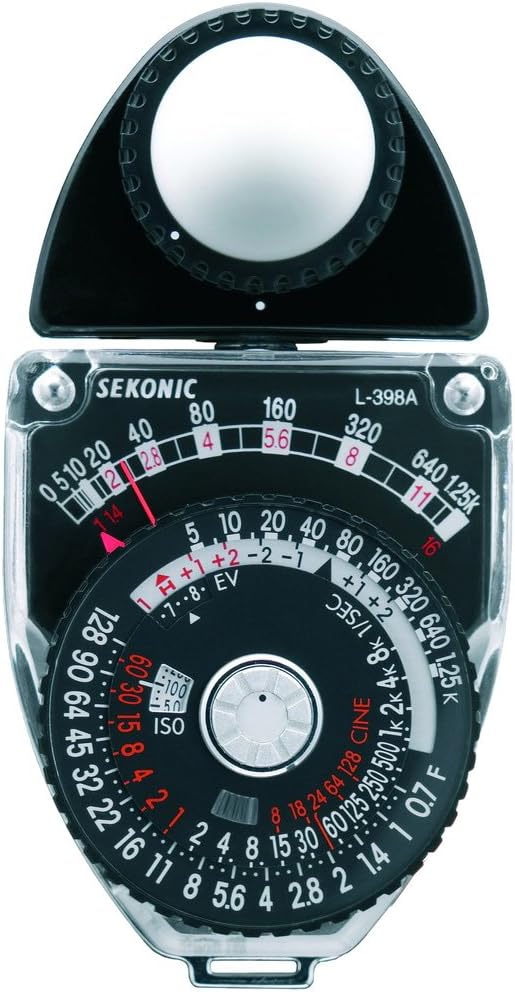


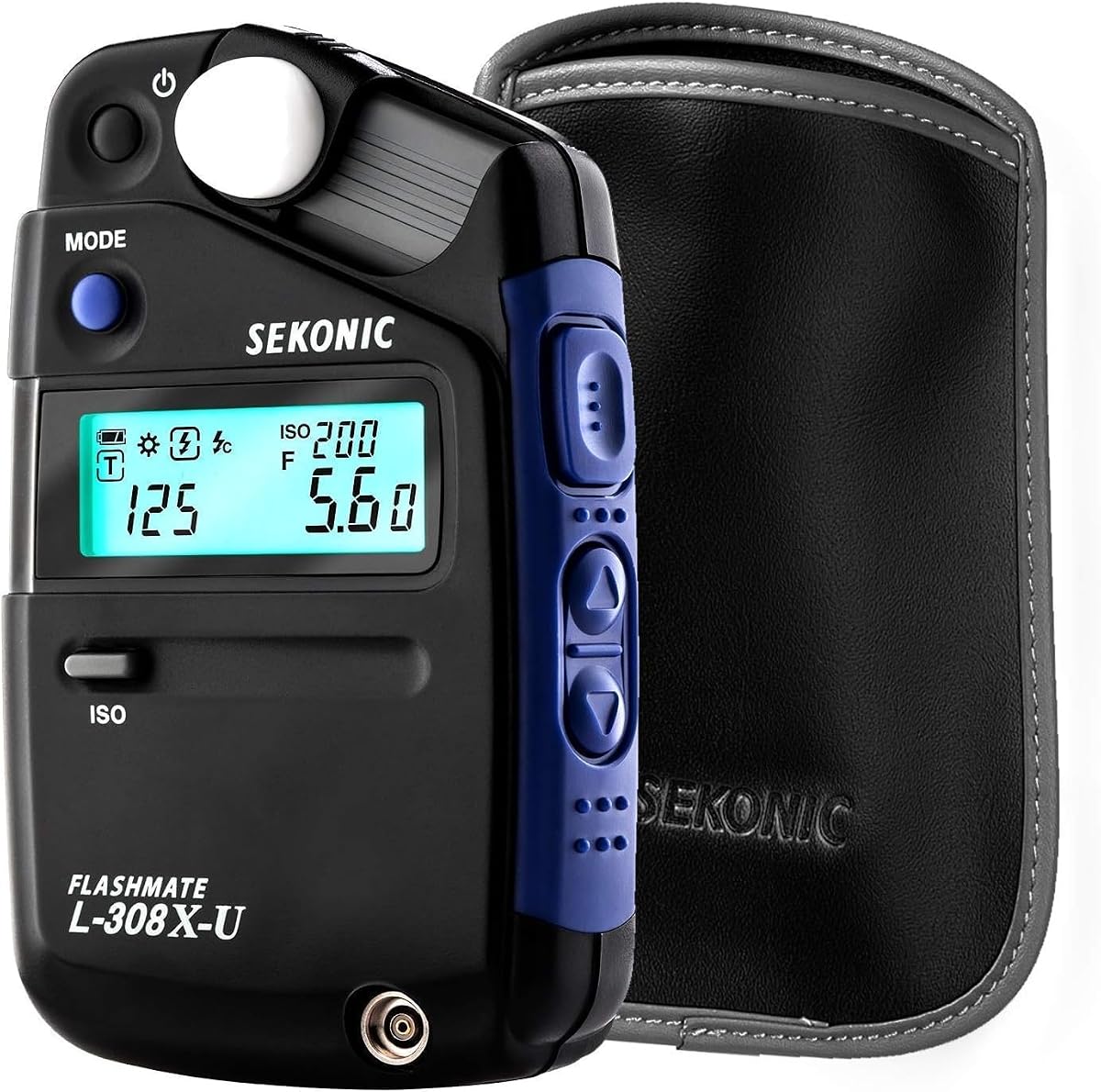
The Sekonic L-398A Studio Deluxe III stands out as a top choice for professionals seeking reliability. Its battery-free operation ensures you never miss a shot due to dead cells. This analog meter combines precision with a timeless design that photographers trust.
We may earn a commission when you buy through this link, at no additional cost to you.
Its amorphous photocell generates power from ambient light making it truly independent. The swivel head allows precise positioning while keeping the dial visible. Full aperture and shutter speed readouts simplify exposure adjustments without digital menus.
While it costs more than basic meters the build quality justifies the investment. Some users may need time to adapt to analog dials over digital screens. However the dependability in varied lighting conditions makes these trade-offs worthwhile.
Ideal for studio photographers and cinematographers who value consistency over gadgets. This meter delivers accurate readings without relying on internal power sources. It remains a staple for those who prioritize workflow efficiency and durability in their gear.
The integrated photosensor eliminates battery anxiety ensuring continuous operation in any environment.
The swivel head design lets you position the sensor precisely while reading results clearly.
We may earn a commission when you buy through this link, at no additional cost to you.
The MT-92H Light Meter offers exceptional value for those needing precise measurements without breaking the bank. Its split sensor design allows simultaneous monitoring and measurement which is rare at this price. The wide range covers most practical lighting scenarios effectively.
We may earn a commission when you buy through this link, at no additional cost to you.
With 500ms refresh rates you capture subtle light changes instantly. The switchable backlight ensures readability in total darkness or bright sun. Temperature measurement adds extra utility for environmental monitoring tasks beyond standard lux readings.
Build quality is functional but leans towards plastic which may not suit rugged field use. Battery dependency means occasional replacements are needed compared to battery-free models. However the feature set remains impressive for casual and semi-professional applications.
Great for hobbyists or those testing lighting setups on a budget. The dual unit support and backlight make it versatile for various tasks. Consider this if you need reliable data without investing in premium analog gear.
Separate probes maintain measurement integrity while allowing flexible positioning during complex setups.
Integrated temperature reading provides comprehensive environmental data for climate-sensitive work.
We may earn a commission when you buy through this link, at no additional cost to you.
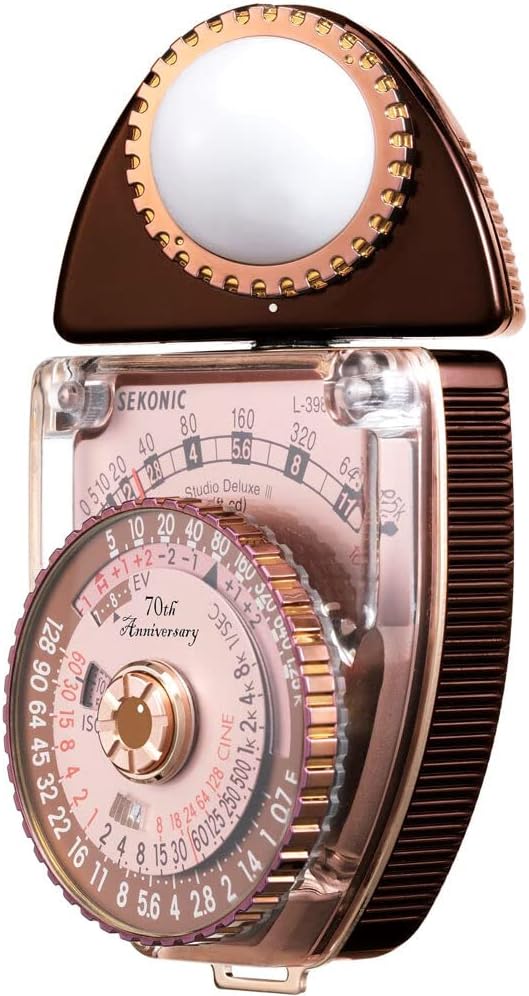
This 70th Anniversary edition represents the pinnacle of analog light meter engineering. Users award it a perfect score for its instant reading capabilities across the full range. The limited edition status adds a collectible value beyond mere functionality.
We may earn a commission when you buy through this link, at no additional cost to you.
The design honors Sekonic's legacy while delivering modern precision. Instant aperture and shutter speed combinations appear clearly on the dial. This reduces mental calculation time significantly during fast-paced shoots where every second counts.
The price reflects its premium status and limited production run which may limit access. Availability can be sporadic so securing one requires timing or patience. However for enthusiasts seeking the ultimate tool this model excels in every aspect.
Ideal for professionals who appreciate heritage and flawless execution in their tools. The instant readout capability streamlines workflow like no other meter. Consider this if you value rarity and performance equally in your equipment choices.
Full range aperture and shutter combinations display instantly for rapid exposure decisions.
Limited edition status ensures this meter remains a prized possession for photography enthusiasts.
We may earn a commission when you buy through this link, at no additional cost to you.
This digital meter excels in general environmental monitoring tasks beyond photography. The color LCD screen makes readings easy to interpret in varying light conditions. Its wide range covers everything from dim rooms to bright outdoor settings.
We may earn a commission when you buy through this link, at no additional cost to you.
Integrated temperature measurement adds value for industrial or office safety checks. Data hold and Min/Max functions help track fluctuations over time efficiently. Auto power off preserves battery life during casual use or storage periods.
Accuracy dips slightly at higher lux levels compared to professional grade meters. It relies on batteries which requires maintenance compared to analog counterparts. Still it offers solid performance for general inspection and non-critical applications.
Best suited for facility managers or homeowners checking lighting levels. The temperature feature makes it versatile for HVAC or safety audits. Choose this if you need a multi-function tool for varied indoor tasks.
Simultaneous light and temperature data supports broader facility management and safety checks.
Color LCD and auto off features simplify daily use without complex setup steps.
We may earn a commission when you buy through this link, at no additional cost to you.
This variant comes bundled with essential accessories making it ready for immediate use. The swivel head allows walking the set while maintaining accurate readings continuously. It shares the same reliable amorphous photocell technology as the standard version.
We may earn a commission when you buy through this link, at no additional cost to you.
Included Lumidisc and Lumisphere expand versatility for different lighting scenarios. The compact design ensures it fits easily in any camera bag without adding bulk. Battery-free operation guarantees uptime during long shoot days without interruptions.
Some users note minor price variations depending on included accessories. The core functionality matches the standard model so check for deal value. This version saves time and effort by providing necessary tools out of the box.
Ideal for cinematographers needing mobility and reliability on set. The accessory bundle streamlines setup for complex lighting environments. Choose this if convenience and complete kit availability are priorities for your workflow.
Essential accessories included save time and ensure you have everything needed immediately.
Swivel head design supports walking the set while maintaining accurate exposure readings.
We may earn a commission when you buy through this link, at no additional cost to you.
This meter is optimized for indoor growers needing rapid light intensity checks. Lightning-fast response times ensure accurate readings even with moving light sources. The FC and LUX toggle accommodates different industry standards easily.
We may earn a commission when you buy through this link, at no additional cost to you.
Peak data recording helps capture brief high-intensity flashes like lightning or laser pulses. Clear low battery alerts prevent unexpected shutdowns during critical measurements. The wide range covers typical grow light intensities effectively.
Battery dependency means carrying spares for extended field trips. The display is functional but lacks advanced features found in premium units. For hobbyists and professionals focused on plant health this tool delivers necessary data.
Perfect for greenhouse managers or indoor gardeners monitoring growth conditions. The speed and conversion options simplify complex lighting adjustments. Choose this if quick reliable data for plant environments is your priority.
Lightning-fast readings twice per second capture dynamic light changes for accurate monitoring.
Instantly lock highest values to analyze transient light sources without manual tracking.
We may earn a commission when you buy through this link, at no additional cost to you.
The remote sensor capability distinguishes this model for hard-to-reach areas. You can measure light at a distance while viewing results on the main unit. This is invaluable for inspecting high fixtures or confined spaces safely.
We may earn a commission when you buy through this link, at no additional cost to you.
Cosine correction ensures accuracy regardless of the angle of incidence. Peak and relative modes support comparative analysis of lighting setups. The backlit display aids visibility in dim industrial or studio environments.
The build is robust but adds weight to your gear load. Batteries require management during long inspection periods. Despite this the utility of remote sensing makes it indispensable for facility maintenance.
Best for facility inspectors or safety officers needing flexibility. Remote access simplifies checking difficult spots without ladders or tools. Choose this if measurement location flexibility is critical for your workflow.
Detached sensor allows measurements in hazardous or difficult-to-reach locations safely.
Cosine correction ensures consistent readings regardless of light incidence angle.
We may earn a commission when you buy through this link, at no additional cost to you.
This model combines ambient and flash measurement in one durable unit. Digital EV readout makes transferring settings to your camera intuitive. The setting ring allows quick adjustments without navigating complex menus.
We may earn a commission when you buy through this link, at no additional cost to you.
Integrated alarm clock and timer add practical utility for time-sensitive shoots. The legacy design appeals to users who appreciate robust mechanical feel. It handles both continuous and flash sources accurately.
User ratings reflect its age compared to modern digital standards. Battery replacement can be tricky for discontinued parts. However enthusiasts who value German engineering and simplicity find it reliable.
Suitable for traditional photographers seeking a reliable dual-purpose tool. The EV readout streamlines manual exposure workflows. Consider this if you prefer classic build quality over modern digital features.
Digital EV readout transfers directly to camera settings for seamless exposure control.
Handles both ambient light and flash measurements within a single compact unit.
We may earn a commission when you buy through this link, at no additional cost to you.
Fluke instruments are known for precision in industrial environments. This illuminance tester delivers reliable readings for workplace safety compliance. Its robust construction withstands drops and harsh conditions typical of job sites.
We may earn a commission when you buy through this link, at no additional cost to you.
High accuracy ensures meeting regulatory standards consistently. The display is clear and easy to read even in sunlight. Users trust the brand for critical measurement tasks where failure is not an option.
Specialized design means it may lack features for creative photography workflows. Price reflects industrial grade standards and safety certifications. However for professionals verifying lighting safety it remains a top choice.
Ideal for facility managers ensuring workplace lighting meets OSHA standards. Reliability and brand reputation make it a safe investment. Choose this if safety compliance and durability are your primary needs.
Reliable readings ensure your facility meets lighting safety regulations consistently.
Fluke's reputation for precision makes this meter a trusted choice for critical tasks.
We may earn a commission when you buy through this link, at no additional cost to you.
This compact digital meter bridges the gap between analog simplicity and digital features. Multiple modes support Photo and Cine workflows effectively. Auto backlight ensures visibility in dark environments without manual input.
We may earn a commission when you buy through this link, at no additional cost to you.
Accuracy down to a tenth of a stop helps precise exposure control. It handles both ambient light and electronic flash seamlessly. Pocket-sized design makes it easy to carry alongside camera gear.
Menu systems can be complex for those preferring analog dials. Battery life is good but still requires replacement over time. Despite this the versatility and accuracy suit modern hybrid shooting needs.
Perfect for DSLR and mirrorless users needing digital precision. Cine modes support specific frame rates and shutter angles. Choose this if you want a modern tool that handles varied shooting styles.
Dedicated Photo and Cine modes support diverse shooting requirements in one device.
Tenth-of-a-stop accuracy allows for highly precise exposure adjustments.
We may earn a commission when you buy through this link, at no additional cost to you.
Selecting the right meter depends on your specific workflow and budget constraints.
Analog meters like the Sekonic L-398A operate without batteries using photocells. This eliminates downtime during shoots and ensures reliability in remote locations. If you prefer digital interfaces consider battery life and replacement needs carefully.
Prioritize battery-free models for uninterrupted work or ensure you have spares.
Most meters offer both incident and reflected light modes. Incident measures light falling on the subject while reflected measures what comes off it. For cinematographers incident measurement is standard for accurate exposure consistency.
Ensure the meter supports the specific mode required for your photography type.
Analog dials provide instant visual feedback without menu navigation. Digital screens offer detailed data and auto-backlighting for low light. Consider your preference for tactile control versus digital precision when choosing.
Match the readout style to your comfort with analog versus digital interfaces.
High-quality sensors ensure accuracy across varying light conditions. Look for cosine correction to maintain accuracy at different angles. Professional models often include specialized accessories like lumisphere or lumidisc for different needs.
Verify the sensor type matches your environmental requirements for accurate data.
Field use demands rugged construction that withstands drops and temperature changes. Studio use may allow for more delicate build designs. Check materials and warranty terms before purchasing to ensure longevity.
Choose robust construction if you work in harsh or mobile environments.
Some models include temperature measurement or remote sensors for versatility. Others offer specific Cine modes for videographers requiring frame rate adjustments. Evaluate which extras truly add value to your specific workflow.
Avoid paying for features you will not use regularly.
Prices vary widely from affordable digital tools to premium limited editions. Basic meters serve general needs while professional tools offer specialized functions. Balance cost against the criticality of accurate exposure for your work.
Invest in reliability for professional work but avoid overpaying for unnecessary features.
Some bundles include carrying cases and calibration tools that save money. Others require separate purchases for essential items like protective covers. Check the package contents to ensure you have everything needed for daily use.
Look for complete kits to streamline setup and protect your investment.
Always point the sensor towards the light source or subject area you wish to measure. For incident readings use the white dome to capture light falling on the subject. For reflected readings remove the dome and measure directly.
Ensure the meter is calibrated regularly using a known light source to maintain accuracy. Store the device in a cool dry place to prevent sensor degradation over time. Avoid exposing it to extreme temperatures or direct moisture.
Clean the sensor window gently with a soft cloth to remove dust or smudges. Check battery levels or sensor health periodically depending on your model. Proper maintenance ensures your meter remains reliable throughout its lifespan.
Certain analog meters use amorphous photocells that generate power from ambient light. This design eliminates the need for internal batteries ensuring continuous operation. It is ideal for environments where battery access is difficult.
Incident light measures the illumination falling on the subject while reflected measures light bouncing off it. Incident is generally more accurate for exposure control while reflected captures subject reflectivity. Most meters offer both options for versatility.
Yes many digital meters support the lux range needed for indoor plants. Look for units with fast response and FC/LUX conversion for precise adjustments. These features help optimize growth environments effectively.
High-quality analog meters like Sekonic match digital accuracy in standard conditions. The difference often lies in user interface preferences rather than sensor precision. Professional users trust both types when calibrated correctly.
Essential accessories include lumisphere for incident reading and lumidisc for selective areas. Carrying cases protect the device during transport. Some models also offer high slide or filters for specific shooting conditions.
Calibration is best done using a reference light source with known intensity. Consult the user manual for specific procedures for your model. Regular checks ensure your readings remain accurate over time.
Vintage models offer classic build quality but may lack modern features. Ensure you can find replacement parts or batteries for older units. Many enthusiasts prefer them for their mechanical simplicity.
Backlighting on the display does not impact sensor accuracy. It only aids visibility for reading results. Modern models ensure the sensor remains isolated from display light interference.
The Sekonic L-398A Studio Deluxe III leads as the Editor's Choice for its reliability and battery-free operation. The MT-92H offers excellent value for budget-conscious users needing precise measurements. For premium needs the 70th Anniversary model delivers flawless performance.
Prioritize battery-free operation for studio work and consider sensor types for field use. Ensure the meter supports your specific shooting modes like photo or cine. Build quality and warranty terms matter for long-term investments.
Prices fluctuate so verify current costs before making a purchase. These picks represent trusted options for professionals seeking precise exposure control. Choose the model that best fits your workflow and budget today.